 Save
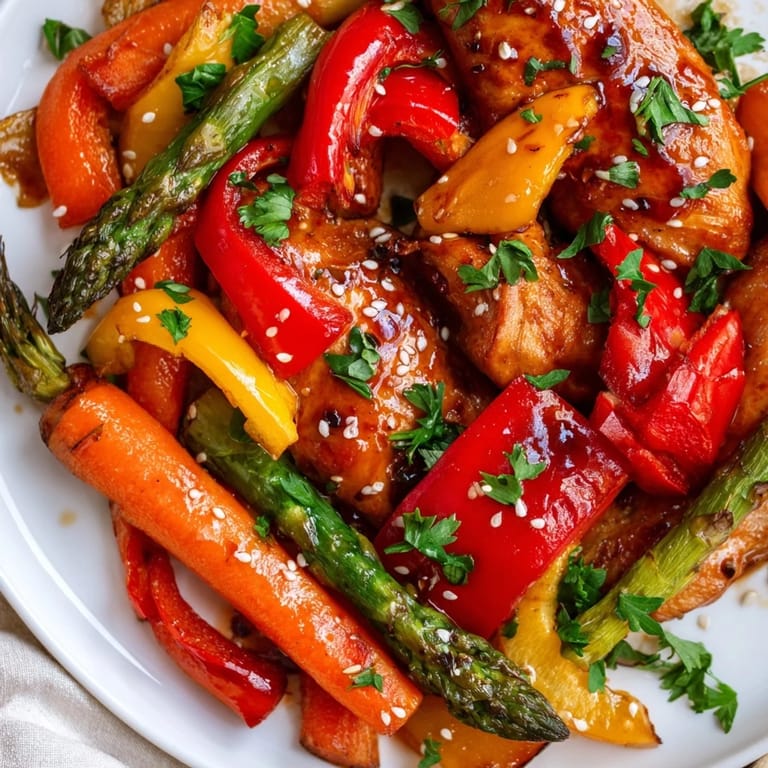
Save Last spring, I stood in my kitchen staring at a fridge full of random vegetables and a pack of chicken that needed using. I grabbed a sheet pan, tossed everything with honey and garlic, and slid it into the oven without much hope. Twenty minutes later, the smell alone had my husband wandering in asking what smelled so good. That night, this accidentally perfect dinner became our new weeknight staple.
I started making this on Sunday nights when the week ahead felt overwhelming. There was something calming about chopping vegetables into even pieces, watching the colors pile up on the cutting board. My kids would pull up their stools and steal sugar snap peas while I worked. By the time dinner hit the table, the chaos of Monday morning felt a little less daunting.
Ingredients
- Boneless, skinless chicken breast or thighs (500 g): Thighs stay juicier under high heat, but breasts work beautifully if you keep an eye on timing and don't overcook them.
- Red and yellow bell peppers (1 each, sliced): Their natural sweetness intensifies as they roast, and the colors make the whole pan look like a celebration.
- Sugar snap peas (150 g, trimmed): These stay crisp-tender and add a fresh snap that balances the richer flavors, just be sure to trim the tough strings.
- Asparagus (150 g, trimmed and cut): Spring asparagus is my favorite here, cut into two-inch pieces so they roast evenly with everything else.
- Red onion (1 small, cut into wedges): Roasting mellows the sharpness and turns the edges jammy and sweet, almost like candy.
- Baby carrots (200 g, halved lengthwise): Halving them ensures they cook through in the same time as the chicken, and their edges caramelize into little bites of sweetness.
- Honey (4 tbsp): This is what creates that beautiful glaze, but don't skip stirring halfway through or it can burn on the edges.
- Low-sodium soy sauce (3 tbsp): Adds the salty, umami backbone that balances the honey, and low-sodium keeps you in control of the saltiness.
- Olive oil (2 tbsp): Helps everything roast without sticking and carries the flavors across every piece.
- Garlic cloves (3, minced): Fresh garlic is non-negotiable here, the smell as it roasts is half the magic of this dish.
- Rice vinegar or apple cider vinegar (1 tbsp): A splash of acidity cuts through the sweetness and keeps the sauce from feeling heavy.
- Freshly grated ginger (1 tsp): Adds warmth and a subtle brightness that makes the whole dish feel vibrant and alive.
- Black pepper (½ tsp): Just enough to add a gentle heat without overwhelming the other flavors.
- Fresh parsley or cilantro (2 tbsp, chopped): A handful of fresh herbs at the end adds color and a burst of freshness that wakes everything up.
- Toasted sesame seeds (1 tsp, optional): A small detail that adds a nutty crunch and makes the whole pan look restaurant-worthy.
Tired of Takeout? 🥡
Get 10 meals you can make faster than delivery arrives. Seriously.
One email. No spam. Unsubscribe anytime.
Instructions
- Preheat and Prep Your Pan:
- Set your oven to 220°C (425°F) and line a large sheet pan with parchment paper or foil. This step saves you from scrubbing stuck-on sauce later, and trust me, you'll thank yourself when cleanup takes two minutes.
- Whisk the Sauce:
- In a medium bowl, whisk together honey, soy sauce, olive oil, minced garlic, grated ginger, vinegar, and black pepper until it's glossy and smooth. The smell alone will make you excited to eat.
- Marinate the Chicken:
- Add your chicken pieces to the bowl and toss until every piece is coated in that golden sauce. If you have ten minutes to spare, let it sit and soak up the flavors, but even a quick toss works if you're rushed.
- Arrange Everything on the Pan:
- Spread your vegetables and chicken in a single layer across the prepared sheet pan, then drizzle any leftover sauce over the top. Toss gently with your hands to make sure every piece gets some love.
- Roast and Stir:
- Slide the pan into the oven and roast for 20 to 25 minutes, stirring everything halfway through so the sauce redistributes and nothing burns. The chicken should be cooked through and the vegetables tender with caramelized edges.
- Garnish and Serve:
- Pull the pan from the oven and scatter fresh parsley or cilantro and toasted sesame seeds over the top. Serve it hot, straight from the pan or over rice or quinoa if you want to stretch it further.
 Save
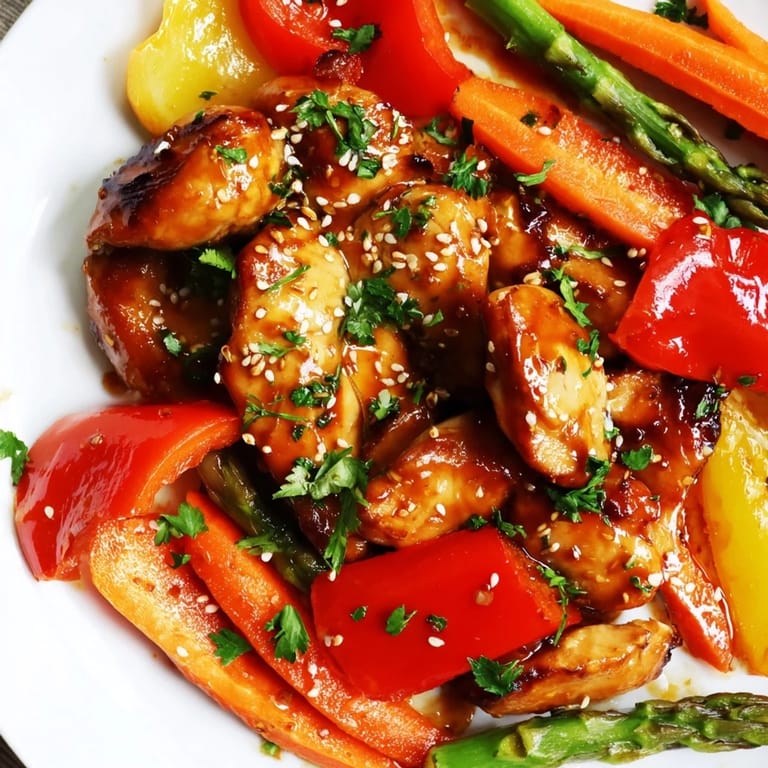
Save One evening, my neighbor stopped by just as I pulled this from the oven. She stayed for dinner, and we sat at the kitchen table with the sheet pan between us, serving ourselves straight from it. She told me later she made it three times that month. That's when I realized this recipe wasn't just easy, it was the kind of thing that gets passed along, kitchen to kitchen, like a good secret.
Make It Your Own
This recipe is forgiving and loves improvisation. If asparagus isn't in season, swap in broccoli florets or green beans. Zucchini works beautifully in summer, and in fall, try cubed butternut squash (just give it a five-minute head start in the oven). I've made this with whatever vegetables were languishing in my crisper drawer, and it's never disappointed. The sauce is the star, so as long as you have that honey garlic base, you can't go wrong.
Serving Suggestions
We usually serve this over jasmine rice or fluffy quinoa to soak up every drop of that glossy sauce. Sometimes I'll toast up some naan or pita bread and use it to scoop up the chicken and vegetables. If you want to keep it light, it's perfectly satisfying on its own, maybe with a simple cucumber salad on the side. Leftovers also make a fantastic grain bowl for lunch the next day, especially if you add a handful of greens and a squeeze of lime.
Storage and Reheating
This keeps well in an airtight container in the fridge for up to three days. I reheat individual portions in the microwave for about a minute and a half, or you can warm everything together in a skillet over medium heat with a splash of water to loosen the sauce. The flavors actually deepen overnight, so don't be surprised if day-two leftovers taste even better than the original dinner.
- Let everything cool completely before storing to avoid condensation that makes the vegetables soggy.
- If you're meal prepping, store the rice or quinoa separately so it doesn't absorb all the sauce.
- You can freeze this for up to a month, though the vegetables will be softer after thawing, so it's best enjoyed fresh or within a few days.
 Save
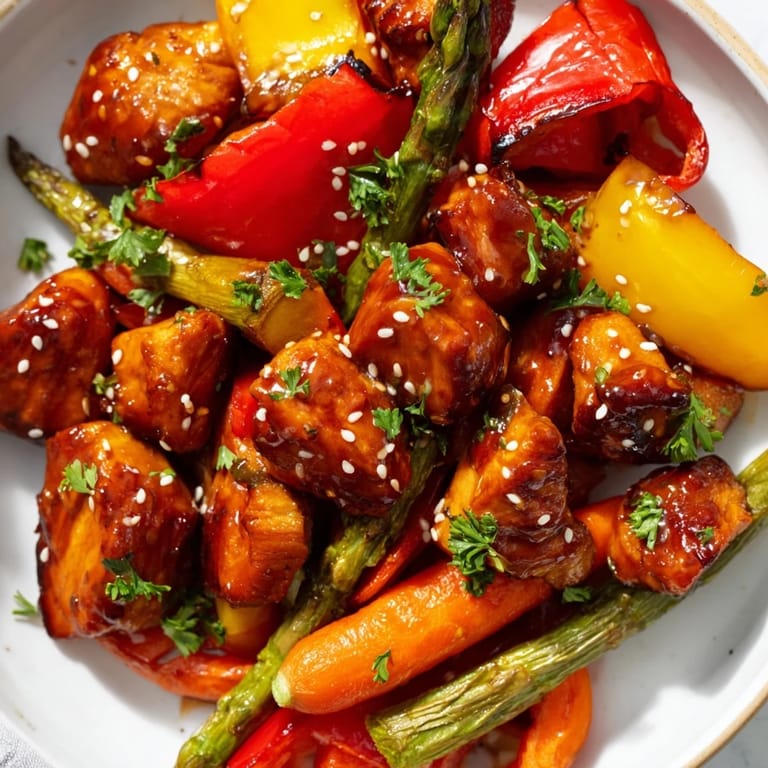
Save This is the kind of dinner that makes weeknights feel manageable, even joyful. I hope it finds a spot in your regular rotation the way it has in mine.
Recipe FAQ
- → Can I use chicken thighs instead of breast?
Yes, absolutely. Chicken thighs are more forgiving and stay juicy. Use the same weight and cooking time, though thighs may take a minute or two longer to cook through completely.
- → How do I prevent the honey from burning?
The honey caramelizes rather than burns when roasted at 220°C. To be safe, toss the pan halfway through cooking. If you prefer a less caramelized sauce, reduce the oven temperature to 200°C and add 5 minutes to cooking time.
- → What vegetables work best on this sheet pan?
Bell peppers, snap peas, asparagus, carrots, and red onion work wonderfully. Seasonally, try zucchini, broccoli, green beans, or Brussels sprouts. Cut vegetables to similar sizes for even cooking.
- → Is this dairy-free?
Yes, this dish is naturally dairy-free. All ingredients—chicken, vegetables, honey, soy sauce, and oil—contain no dairy. Always verify that your soy sauce brand doesn't contain hidden dairy products.
- → Can I make this gluten-free?
Yes. Simply substitute the soy sauce with tamari or certified gluten-free soy sauce. Check all ingredient labels to ensure no hidden gluten, especially in the honey and spices.
- → How should I store leftovers?
Store cooled leftovers in an airtight container in the refrigerator for up to 3 days. Reheat gently in a 160°C oven for 10–15 minutes until warmed through, or microwave for 2–3 minutes.