 Save
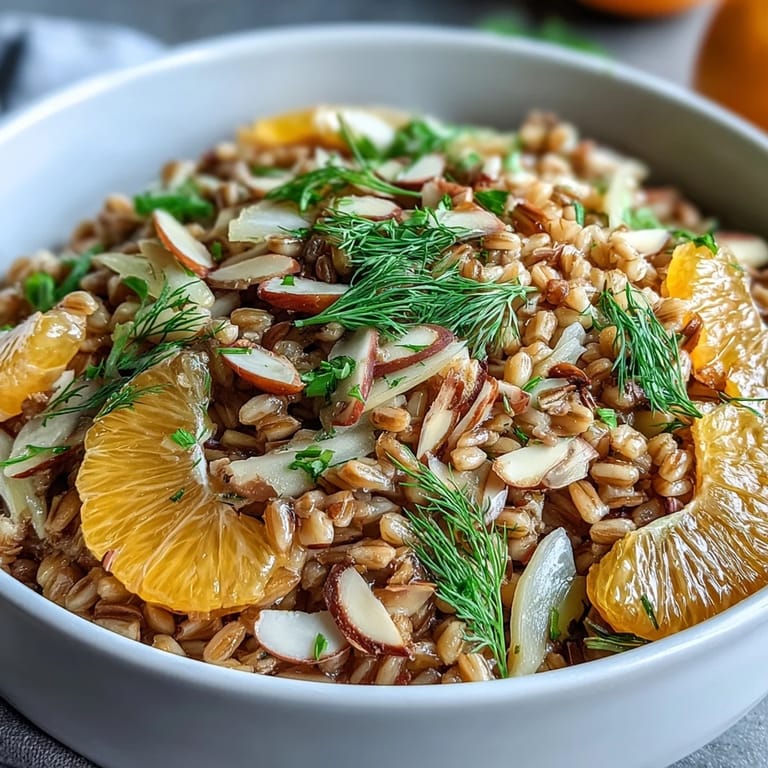
Save I was standing at my kitchen counter one evening, staring at a fennel bulb I'd impulse-bought at the market, wondering what exactly I was supposed to do with it. My neighbor had mentioned something about pairing it with citrus, and I happened to have a bag of oranges going soft on the windowsill. What started as ingredient rescue turned into one of those rare kitchen wins where every bite felt brighter than the last. The farro added this wonderful chew, the fennel brought a crisp sweetness, and suddenly I had a salad that didn't need babysitting or apologizing for.
The first time I served this to friends, I was nervous because it looked almost too simple, just grains and vegetables piled in a bowl. But then someone took a bite and paused, really paused, before saying it tasted like sunshine in January. I've never forgotten that moment. Now it's my go-to whenever I want something that feels nourishing without trying too hard, something that reminds you food can be both casual and a little special at the same time.
Ingredients
- Farro: This ancient grain cooks up with a satisfying chew that holds its shape even when dressed, and rinsing it first keeps the texture clean and prevents any dusty aftertaste.
- Fennel bulb: Slice it as thin as you can manage (a mandoline helps), because raw fennel can be fibrous, but when it's paper-thin it becomes this delicate, anise-kissed crunch that plays beautifully with citrus.
- Oranges: Segmenting them takes an extra minute, but it's worth it to avoid the chewy membrane, and any juice that drips onto your cutting board becomes bonus vinaigrette.
- Red onion: A small one is plenty, sliced thin so it adds sharpness without overwhelming the sweeter elements, and if you're sensitive to raw onion, soak the slices in cold water for five minutes.
- Mixed salad greens: They add volume and freshness without competing for attention, just something green to lighten the bowl and make it feel like an actual salad.
- Sliced almonds: Toasting them in a dry skillet releases their oils and turns them golden and fragrant, transforming them from an afterthought into tiny flavor bombs.
- Extra-virgin olive oil: Use something you'd actually want to taste, because it's the backbone of the vinaigrette and there's nowhere for a bland oil to hide.
- Orange juice: Freshly squeezed is best, it ties the dressing to the fruit in the salad and adds a natural sweetness that bottled juice just can't match.
- White wine vinegar: It's sharp but not harsh, cutting through the richness of the oil without making the dressing taste puckery or aggressive.
- Dijon mustard: This is what holds the vinaigrette together, emulsifying the oil and vinegar into something creamy and cohesive instead of a puddle at the bottom of the bowl.
- Honey: Just a touch rounds out the acidity and brings all the flavors into balance, though you can skip it if you want a sharper, more savory dressing.
Tired of Takeout? 🥡
Get 10 meals you can make faster than delivery arrives. Seriously.
One email. No spam. Unsubscribe anytime.
Instructions
- Cook the farro:
- Rinse the farro under cold water to wash away any dust, then simmer it in salted water for 20 to 25 minutes until it's tender but still has a little chew, like a heartier cousin of rice. Drain it well and let it cool slightly so it doesn't wilt your greens later.
- Toast the almonds:
- Heat a dry skillet over medium heat and add the sliced almonds, shaking the pan every 30 seconds or so until they turn golden and smell like warm butter. Watch them closely, they go from perfect to burnt in about ten seconds.
- Make the vinaigrette:
- Whisk together the olive oil, orange juice, vinegar, Dijon, honey, salt, and pepper in a small bowl until the mixture looks smooth and slightly thickened. Taste it and adjust the salt or honey if it needs more balance.
- Assemble the salad:
- In a large bowl, toss the cooled farro with the fennel, orange segments, red onion, and salad greens, then drizzle the vinaigrette over everything and toss gently so every bite gets a little bit of dressing. Don't overdress it, you want the grains coated, not swimming.
- Finish and serve:
- Sprinkle the toasted almonds and a few fennel fronds on top for a little green flourish, then serve it right away while the textures are still distinct and lively.
 Save
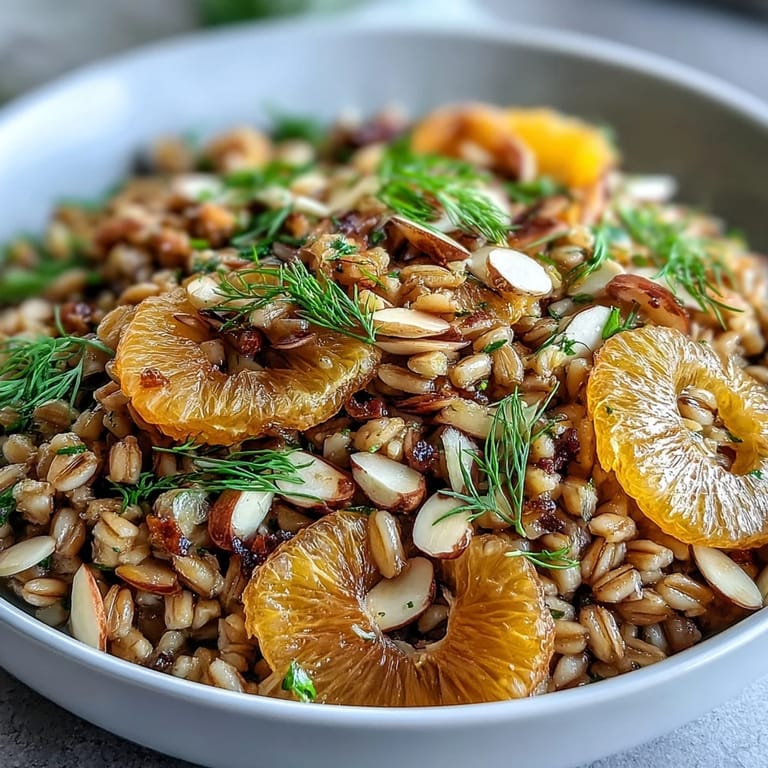
Save One afternoon I packed this salad into a glass jar and took it to the park, and when I opened it under a tree, the smell of orange and toasted almonds mixed with the spring air in a way that made me forget I was just eating lunch alone. It's become my favorite thing to make when I need to feel grounded, something bright and whole that doesn't demand too much but gives back plenty. There's a quiet satisfaction in a bowl like this, one that doesn't shout but stays with you long after the last bite.
Storing and Making Ahead
This salad actually gets better after a few hours in the fridge, because the farro soaks up some of the vinaigrette and the flavors meld together into something more cohesive. I like to prep the farro, fennel, and dressing separately in the morning, then toss everything together just before eating so the greens stay perky. If you're meal prepping, keep the almonds and greens separate until serving, otherwise the almonds get soft and the greens get sad, and nobody wants that.
Swaps and Add-Ins
Blood oranges make this salad look like a piece of art, all deep red and moody against the pale fennel, and their slightly berry-like flavor adds an unexpected twist. If you can't find farro or need something gluten-free, quinoa or wild rice work well, though they'll change the chew into something lighter or fluffier. For extra protein, I've added canned chickpeas straight from the can (rinsed and dried) or leftover grilled chicken, both of which turn this into a full meal without much effort.
Serving Suggestions
This salad shines on its own, but it's also excellent alongside roasted salmon or a simple piece of grilled fish, where the citrus echoes the brightness of lemon and the farro adds substance. I've served it at summer barbecues next to grilled vegetables and at winter dinners next to roasted chicken, and it works in every season because it brings its own weather. It pairs beautifully with a crisp Sauvignon Blanc or a dry rosé, something that won't compete with the vinaigrette but will lift the whole meal a little higher.
- Top it with crumbled feta or goat cheese if you're not keeping it dairy-free and want a creamy contrast.
- Add a handful of pomegranate seeds in winter for a jewel-like pop of tartness and color.
- Drizzle a little extra olive oil and a pinch of flaky sea salt right before serving for a final touch of richness.
 Save
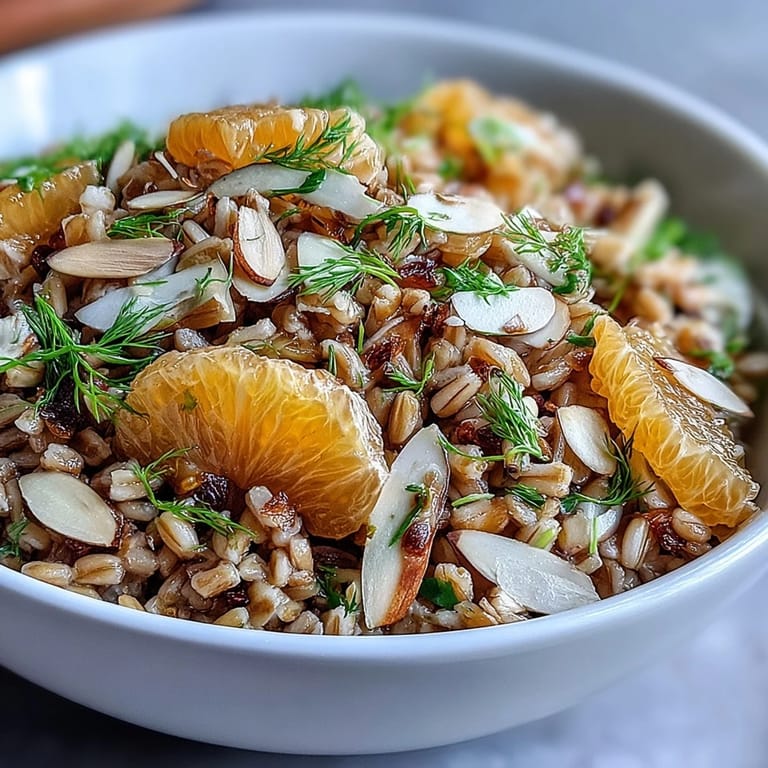
Save This is the kind of salad that reminds you why cooking doesn't have to be complicated to be good, just honest ingredients treated with a little care. Make it once and you'll find yourself coming back to it whenever you need something bright, easy, and satisfying all at once.
Recipe FAQ
- → Can I make this ahead of time?
Absolutely. Prepare the farro and vinaigrette up to 3 days in advance. Store them separately in the refrigerator. Toss with fresh vegetables and oranges just before serving to maintain crisp textures.
- → What can I substitute for farro?
Spelt, barley, or wheat berries work beautifully as alternatives. For a gluten-free option, try quinoa or brown rice. Adjust cooking times accordingly based on your grain choice.
- → How do I prevent the oranges from getting mushy?
Segment the oranges properly by removing all membranes and pith. Gently fold them into the salad rather than stirring vigorously. Add them last, right before serving, to maintain their juicy integrity.
- → Can I add protein to make it more filling?
Grilled chicken, chickpeas, or white beans complement these flavors perfectly. Feta cheese or goat cheese crumbles add creaminess while boosting protein content for a more substantial main course.
- → How should I store leftovers?
Store components separately if possible. The dressed salad keeps well for 1-2 days refrigerated, though the almonds will lose some crunch. Add fresh toasted nuts and reserved fennel fronds when serving leftovers.