 Save
Save A friend once told me she ate the same sad desk salad every day until she discovered grain bowls. Something about the freedom to toss together whatever looked good in the fridge changed her whole lunch routine. I started building my own versions on Sunday afternoons, and now I can't imagine meal prep without them. The best part is never eating the same bowl twice, even when you're using up leftovers.
I brought a tray of deconstructed grain bowl components to a potluck once, thinking people would politely assemble a small serving. Instead, everyone hovered around the table building towering bowls and trading topping strategies like they were drafting a fantasy team. One person made a double-protein masterpiece, another went all-veggies with three different dressings. It turned into the most interactive dish of the night, and I left with an empty tray and about six new flavor combinations to try.
Ingredients
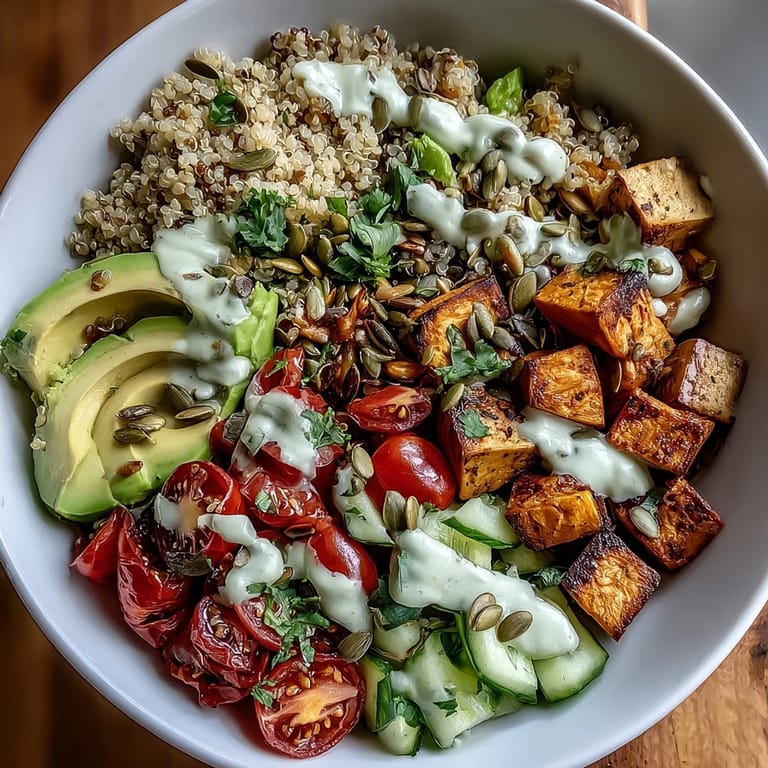
- Brown rice, quinoa, farro, or couscous: Your grain is the foundation, so cook it with a pinch of salt and let it cool slightly before building the bowl so it doesn't wilt your greens or make everything soggy.
- Chicken, tofu, chickpeas, or shrimp: Protein keeps you full and adds substance, and using leftovers or batch-cooked options makes assembly almost instant on busy nights.
- Cherry tomatoes, cucumber, sweet potato, broccoli, carrots, or avocado: A mix of raw crunch and roasted sweetness creates the textural contrast that makes each bite interesting instead of monotonous.
- Feta cheese, seeds, nuts, herbs, or sesame seeds: These little extras add pops of salt, richness, and texture that turn a simple bowl into something you actually look forward to eating.
- Lemon-tahini, balsamic vinaigrette, soy-ginger, or green goddess dressing: The dressing ties everything together, so pick one that complements your protein and vegetables without overpowering the natural flavors.
Tired of Takeout? 🥡
Get 10 meals you can make faster than delivery arrives. Seriously.
One email. No spam. Unsubscribe anytime.
Instructions
- Cook your grains:
- Follow the package directions, fluff with a fork, and let them cool for a few minutes so they don't steam your toppings. A little olive oil or butter stirred in at the end adds richness and keeps the grains from clumping.
- Prepare your protein:
- Cook fresh chicken or shrimp, crisp up tofu in a hot skillet, or simply drain and rinse canned chickpeas if you want zero fuss. Leftovers work beautifully here, so don't hesitate to use last night's grilled chicken.
- Prep your vegetables:
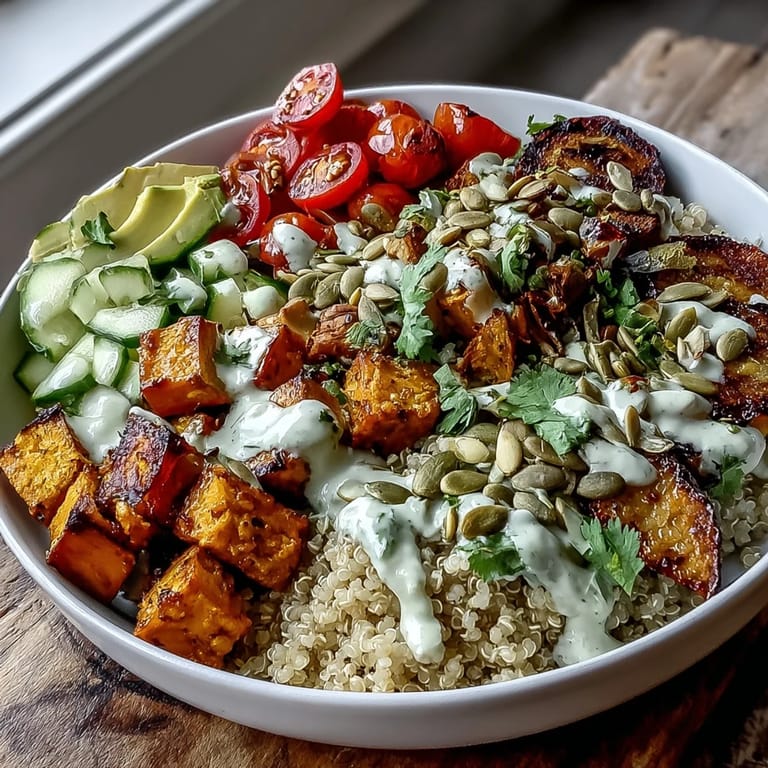
- Wash, chop, and roast or steam as you prefer, aiming for a variety of colors and textures. Roasted sweet potatoes and raw cucumber in the same bowl is the kind of contrast that keeps your fork moving.
- Build the bowl:
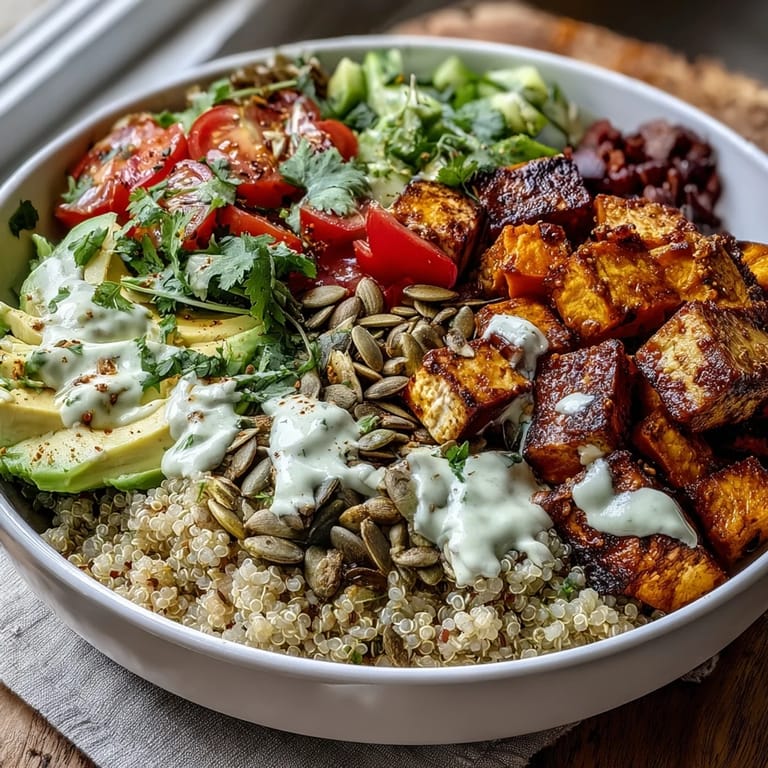
- Start with a generous scoop of grains, then arrange your protein and vegetables in sections or scatter them freely depending on your mood. There's no wrong way to do this, so trust your instincts and pile it high.
- Add toppings and dress:
- Sprinkle on seeds, nuts, herbs, and cheese, then drizzle your chosen dressing right before eating. If you're meal prepping, keep the dressing separate so nothing gets soggy by day three.
 Save
Save My coworker started bringing grain bowls to the office after watching me eat mine for a week straight. She'd peek into my container every day and ask what was different, and I'd rattle off my latest combination like a proud chef. Now we both prep on Sundays and do a little swap mid-week when we get bored, which somehow makes the whole thing feel less like meal prep and more like a standing lunch date.
Choosing Your Grains
Brown rice is hearty and forgiving, quinoa cooks fast and adds a nutty flavor, farro gives you a chewy bite, and couscous is the quickest option when you're short on time. I usually cook a big batch of two different grains and mix them in each bowl for variety. If you want to skip grains entirely, try a base of massaged kale or cauliflower rice for a lighter, lower-carb version that still holds all your toppings.
Protein and Vegetable Pairings
Chicken pairs beautifully with roasted sweet potato and a tangy lemon-tahini dressing, while tofu loves soy-ginger and crunchy raw vegetables. Shrimp works with nearly anything but shines alongside avocado and cherry tomatoes with a squeeze of lime. I've learned that mixing one cooked vegetable with two raw ones creates the best balance, giving you both comfort and freshness in every forkful.
Storage and Meal Prep Tips
I divide everything into separate containers on Sunday: one for grains, one for proteins, and smaller ones for chopped vegetables and toppings. Each morning I scoop what I want into a bowl, grab a dressing, and I'm out the door in under two minutes. The components stay fresh for four to five days if stored properly, and the flexibility means I never get bored halfway through the week.
- Keep dressings in small jars or squeeze bottles so you can control the amount and avoid sogginess.
- Refresh your bowls mid-week with a handful of fresh herbs or a new topping to keep things exciting.
- Label your containers if you're prepping for multiple people, because grain bowl theft is a real and heartbreaking phenomenon.
 Save
Save Once you find your favorite combinations, this bowl becomes less like a recipe and more like a weekly ritual you actually enjoy. It's the kind of meal that grows with you, adapting to whatever's in season, on sale, or simply calling your name from the back of the fridge.
Recipe FAQ
- → What grains work best for grain bowls?
Brown rice, quinoa, farro, and couscous offer excellent foundations. Choose based on texture preference and dietary needs. Quinoa provides complete protein, while farro adds chewy nuttiness. For low-carb options, substitute cauliflower rice or leafy greens.
- → How do I meal prep grain bowls effectively?
Prepare all components separately—grains, proteins, and vegetables—then store in airtight containers. Keep dressings on the side to maintain freshness. Reheat grains and proteins as needed, then assemble bowls fresh each day for optimal texture.
- → Which protein options suit different dietary needs?
Chicken breast offers lean protein for omnivores. Baked tofu and chickpeas provide plant-based alternatives for vegetarian and vegan diets. Shrimp adds quick-cooking seafood variety. Each option pairs well with any vegetable and dressing combination.
- → What vegetables add the most flavor and nutrition?
Roasted sweet potato brings natural sweetness and vitamins. Cherry tomatoes offer bursts of acidity. Steamed broccoli adds crunch and fiber. Fresh cucumber provides cooling contrast. Avocado contributes healthy fats and creaminess.
- → Which dressing complements all ingredient combinations?
Lemon-tahini creates creamy richness with nutty undertones. Balsamic vinaigrette offers bright acidity that cuts through grains. Soy-ginger adds Asian-inspired depth. Green goddess provides herbaceous freshness. Each enhances different ingredient pairings.
- → Can I make grain bowls gluten-free?
Absolutely. Choose quinoa, brown rice, or certified gluten-free couscous as your grain base. Ensure all dressings and toppings are gluten-free certified. Farro and regular couscous contain wheat, so avoid these options when gluten sensitivity is a concern.