 Save
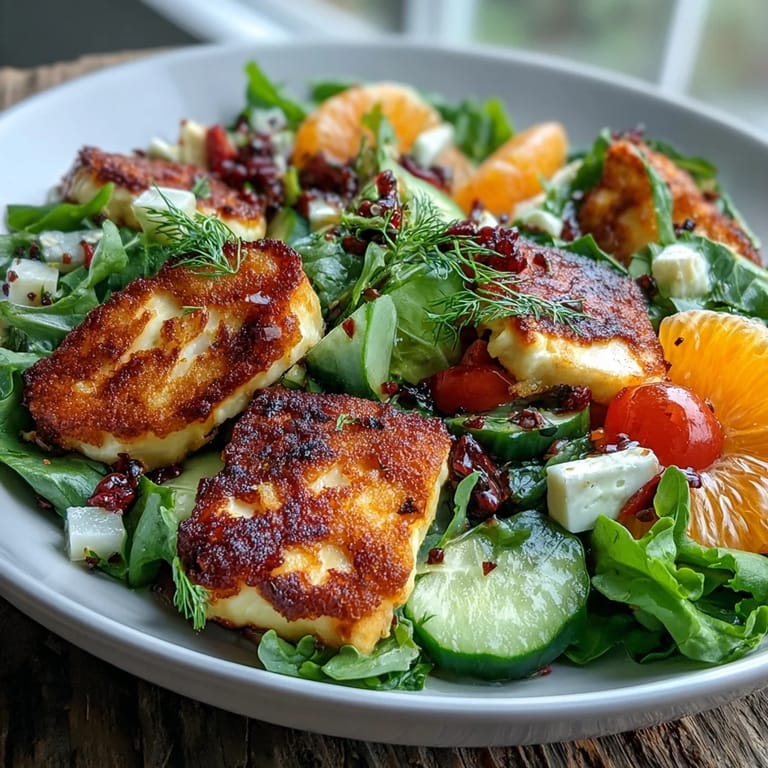
Save The first time I sliced into a blood orange, I half expected it to taste different from a regular orange, like the color meant something secret. It didn't, but it looked so striking against the white plate that I started using them everywhere. One winter evening, I had a block of halloumi in the fridge, some wilting greens, and a hunch that crispy cheese and jewel-toned citrus might belong together. That hunch turned into this salad, and now it's what I make when I want something that feels special without much fuss.
I made this for a friend who claimed she didn't like salads because they were boring. She ate two bowls and asked for the recipe before she left. The trick was the warm halloumi, which made the whole thing feel more like a meal than a side dish. Since then, I've served it at casual dinners and slightly fancier lunches, and it always disappears faster than I expect.
Ingredients
- Halloumi cheese: This Cypriot cheese has a high melting point, so it fries beautifully without turning into a puddle, and the saltiness is exactly what the salad needs.
- Blood oranges: Their ruby flesh makes the dish look restaurant-worthy, and they're slightly less acidic than regular oranges, which plays nicely with the pomegranate molasses.
- Mixed salad greens: A mix of romaine, arugula, parsley, and mint gives you crunch, pepper, and freshness all at once.
- Cucumber: It adds a cool, watery crunch that balances the richness of the cheese.
- Cherry tomatoes: These little guys burst with sweetness and juice, and halved, they mix into every bite.
- Red onion: Thinly sliced, it brings a sharp bite that mellows slightly once dressed.
- Radishes: I love the peppery snap they add, plus they look pretty with their pink edges.
- Sourdough bread: The tang of sourdough holds up to the bold dressing and crisps up beautifully in the oven.
- Olive oil: Use a good one for the dressing since it's front and center in flavor.
- Lemon juice: Freshly squeezed makes all the difference, boxed juice tastes flat next to it.
- Pomegranate molasses: This thick, tangy syrup is the secret weapon that makes the dressing taste complex and a little mysterious.
- Sumac: A tart, lemony spice that's essential to Middle Eastern flavors, it adds a floral zing you can't replicate.
- Black pepper and sea salt: Simple seasonings that let everything else shine.
Tired of Takeout? 🥡
Get 10 meals you can make faster than delivery arrives. Seriously.
One email. No spam. Unsubscribe anytime.
Instructions
- Make the croutons:
- Preheat your oven to 200°C (400°F). Toss the sourdough cubes with olive oil and a pinch of sea salt, spread them on a baking tray, and bake for 8 to 10 minutes until they're golden and crunchy. Let them cool on the tray while you prep everything else.
- Fry the halloumi:
- Heat a non-stick skillet over medium heat, no oil needed. Fry the halloumi slices for 2 to 3 minutes per side until they turn golden brown with crispy edges. Drain them briefly on a paper towel to catch any excess moisture.
- Prep the salad base:
- In a large salad bowl, combine your greens, cucumber, cherry tomatoes, red onion, radishes, and blood orange segments. Toss them gently so the oranges don't break apart too much.
- Whisk the dressing:
- In a small bowl, whisk together the olive oil, lemon juice, pomegranate molasses, sumac, black pepper, and salt until it's smooth and emulsified. Taste it, if it needs more tang, add a squeeze more lemon.
- Bring it all together:
- Add the warm halloumi and cooled croutons to the salad bowl. Drizzle the dressing over everything and toss gently to coat. Serve immediately while the cheese is still warm and the croutons are crisp.
 Save
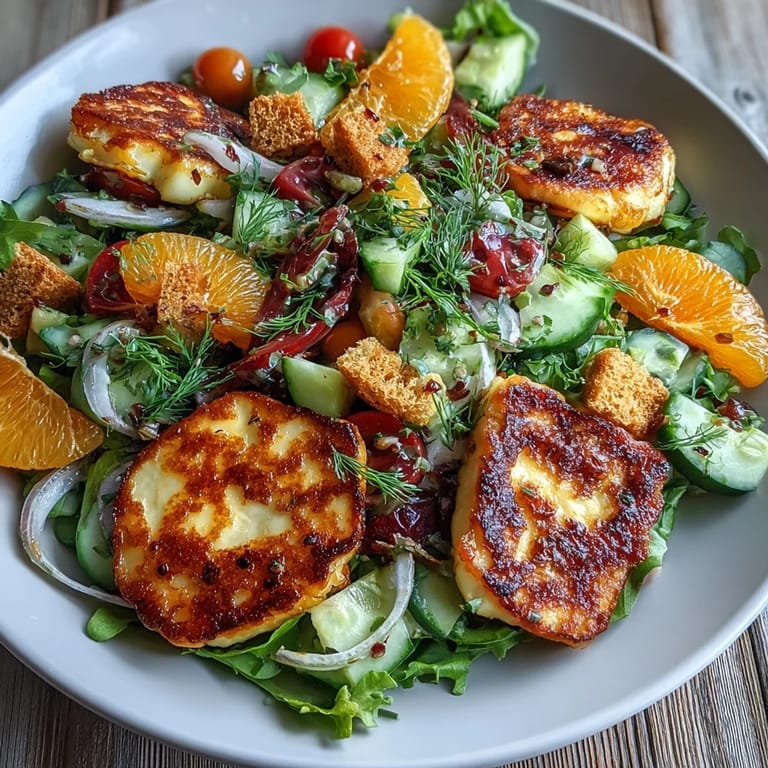
Save There's something about the way the warm halloumi softens the cold greens that makes this salad feel like a hug. I've eaten it alone at my kitchen counter on a Tuesday night and plated it for weekend guests, and both times it felt exactly right. It's one of those recipes that adapts to the moment without losing any of its charm.
Serving Suggestions
This salad works beautifully as a light main course or a substantial side. I've served it alongside grilled lamb, roasted chicken, or just a bowl of hummus and warm pita. A crisp white wine like Sauvignon Blanc pairs wonderfully, but sparkling water with a slice of lemon is just as good if you're keeping it casual.
Ingredient Swaps
If blood oranges aren't in season, regular oranges or pink grapefruit work just fine, though you lose that dramatic color. I've also swapped the halloumi for feta when I wanted something softer and less squeaky. For a nutty crunch, toss in toasted pistachios or walnuts, and if you can find them, pomegranate seeds make the whole thing look like a celebration.
Storage and Make-Ahead Tips
You can prep the components ahead to save time. The croutons keep in an airtight container for a day or two, the dressing lasts in the fridge for up to three days, and the halloumi can be fried a few hours in advance and gently rewarmed in a skillet. Just don't toss the salad until you're ready to eat, or everything goes limp.
- Store leftover dressing separately and shake it before using.
- Keep any extra halloumi in the fridge and reheat it in a dry pan to crisp it up again.
- If you have leftover salad, eat it within a few hours before the greens wilt.
 Save
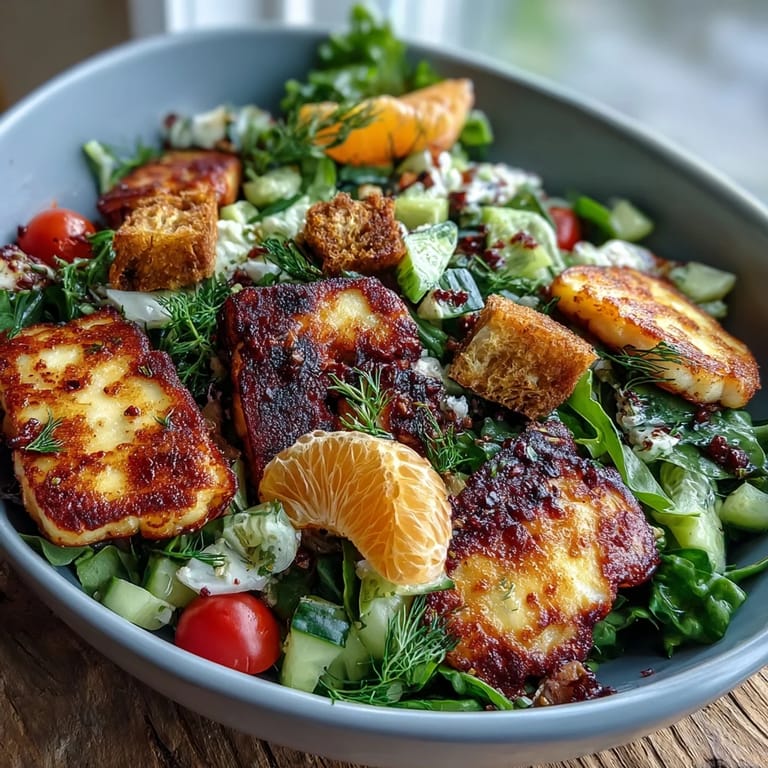
Save This salad taught me that you don't need a long ingredient list to make something memorable. Just a few good things, treated well, and the willingness to serve it while it's still warm.
Recipe FAQ
- → What makes fattoush different from regular salad?
Fattoush is a Middle Eastern salad characterized by crispy croutons and a tangy sumac dressing. Unlike standard salads, it specifically uses toasted or fried bread as a key ingredient, adding essential crunch and substance. The sumac dressing provides a distinctive citrusy, slightly tart flavor profile that sets it apart from other dressings.
- → Can I prepare the components ahead of time?
You can prep vegetables and make the dressing up to 4 hours in advance, storing them separately in the refrigerator. The croutons stay crispy for 2-3 days in an airtight container. However, fry the halloumi just before serving—it's best served warm and loses its appealing texture when reheated. Assemble everything immediately before eating.
- → What can I substitute for blood oranges?
Regular oranges or pink grapefruit work beautifully as alternatives. While blood oranges offer stunning color and floral berry-like notes, navel oranges provide sweetness and ruby red grapefruit adds beautiful pink-red hue. The dish remains delicious regardless of citrus variety, though the visual appeal will differ slightly.
- → How do I prevent halloumi from becoming rubbery?
Fry halloumi over medium heat for just 2-3 minutes per side until golden. Avoid overcrowding the pan, which lowers temperature and causes steaming. Don't overcook—high heat creates a crispy exterior while keeping the interior soft and creamy. Patting slices dry before cooking helps achieve better browning.
- → Is pomegranate molasses essential for the dressing?
Pomegranate molasses adds distinctive tart, fruity depth but can be substituted. Replace with equal parts balsamic glaze for similar richness, or extra lemon juice with a pinch of sugar for brightness. The dressing will still be delicious, though you'll lose the unique fruity tang that pomegranate provides.
- → Can I make this gluten-free?
Use gluten-free bread for croutons or substitute with toasted nuts like almonds or pistachios for crunch. All other ingredients are naturally gluten-free. Check that your halloumi doesn't contain gluten-based additives, though most brands are safe. The salad's character remains intact with these simple adjustments.