 Save
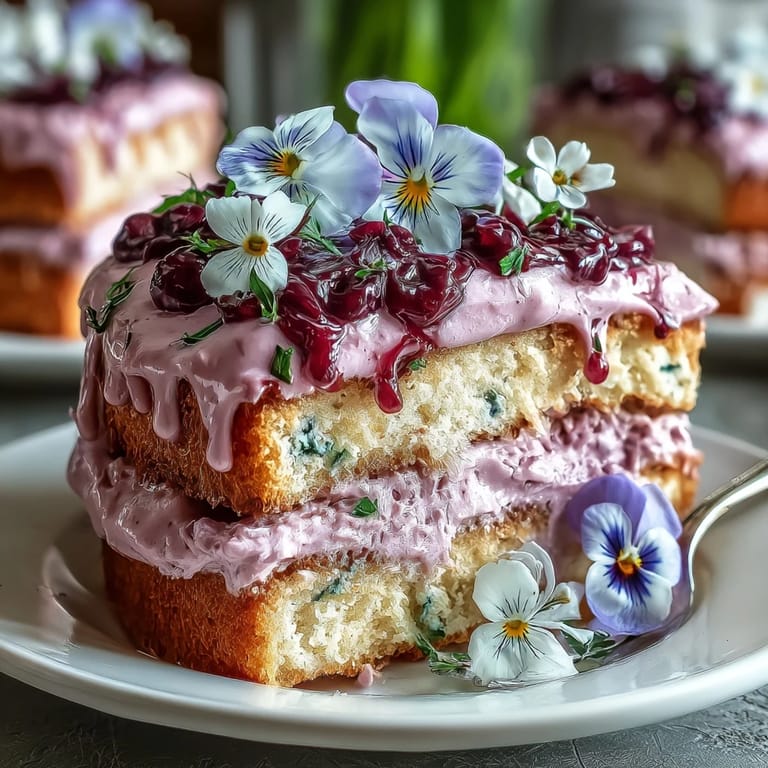
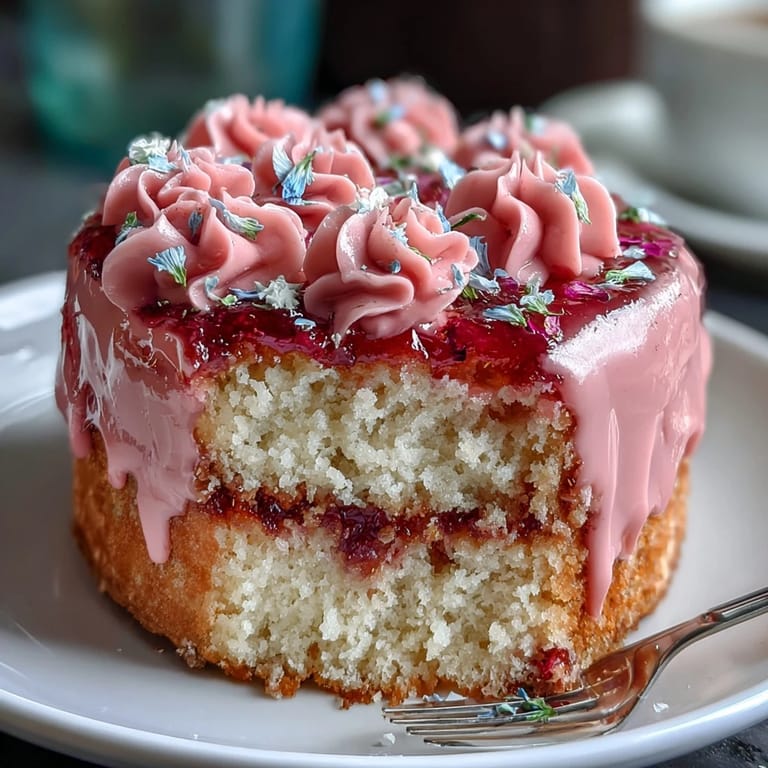
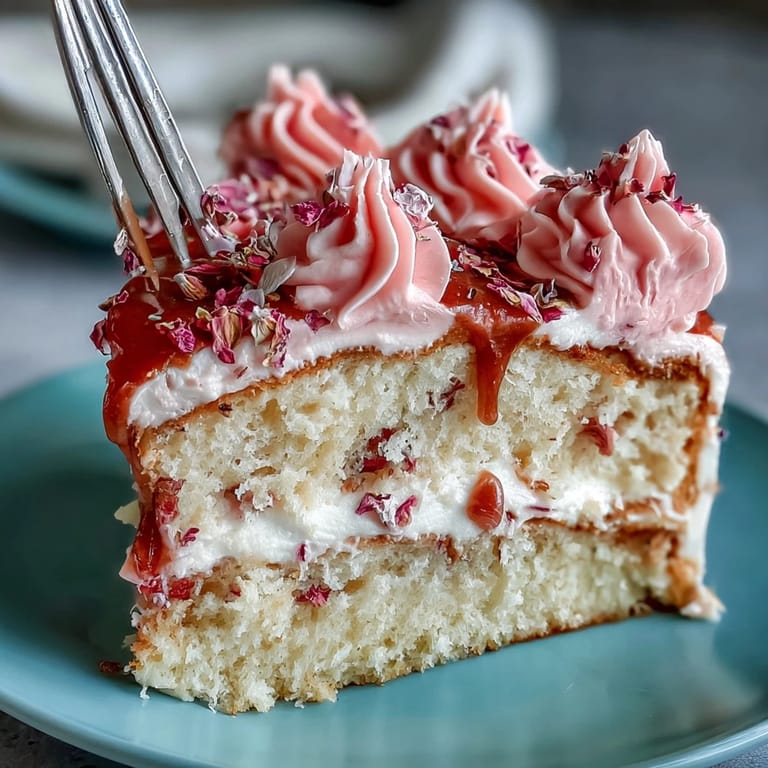
Save My sister called me three weeks before her birthday asking if I could bake her a cake—not just any cake, but something that looked like spring had exploded on it. I spent that afternoon in my kitchen experimenting with pastel buttercream, piping tiny flowers onto parchment paper like I was painting instead of baking. When she walked into the party and saw those soft pink and lavender blooms cascading down the layers, she actually teared up. That's when I realized this vanilla cake with its tender crumb and delicate frosting had become something more than dessert.
I'll never forget watching my neighbor's daughter frost this cake for her art class project—she'd never baked anything fancy before that day. Halfway through piping the flowers, she stopped worrying about perfection and started having fun with the colors, mixing shades on the fly. By the end, her cake looked nothing like the pristine photos online, but it had so much personality. Everyone at the tasting chose hers as their favorite because it felt genuinely made by human hands, not a machine.
Ingredients
- All-purpose flour (2 ½ cups): Using the right amount prevents a dense cake; measure by spooning into the cup rather than scooping directly from the bag to avoid packing it down.
- Baking powder (2 ½ tsp): This is your lift, so don't skip it or replace it with baking soda without adjusting other ingredients—the cake will fall flat.
- Unsalted butter (1 cup for cake, 1 ½ cups for buttercream): Room temperature butter creams properly with sugar, creating that light, fluffy texture that makes people sigh with pleasure.
- Granulated sugar (2 cups): This sweetens the cake and also aerates the batter when beaten with butter; it's doing heavy lifting beyond just tasting good.
- Eggs (4 large ones): Room temperature eggs blend smoothly into the mixture; cold eggs can cause the batter to break and create a dense final product.
- Pure vanilla extract (1 tbsp for cake, 2 tsp for buttercream): The difference between pure and imitation is noticeable here—pure vanilla adds warmth and depth that makes the cake taste homemade.
- Whole milk (1 cup for cake, ¼ cup for buttercream): Room temperature milk prevents the batter from seizing up when mixed with the creamed butter and sugar.
- Powdered sugar (6 cups, sifted): Sifting removes lumps that would otherwise create grainy buttercream; it takes an extra minute and changes everything.
- Gel food coloring: Use gel instead of liquid because it won't thin out your buttercream like liquid coloring does, and the pastels stay true to their soft, springtime aesthetic.
- Salt (pinch for buttercream, ½ tsp for cake): A tiny amount of salt balances sweetness and rounds out the vanilla flavor without making anything taste salty.
Tired of Takeout? 🥡
Get 10 meals you can make faster than delivery arrives. Seriously.
One email. No spam. Unsubscribe anytime.
Instructions
- Preheat and prepare:
- Set your oven to 350°F and grease those three 8-inch pans, then line them with parchment paper cut to fit the bottoms—this step saves you from cake stuck to the pan and ensures even browning on the sides.
- Dry ingredients together:
- Whisk flour, baking powder, and salt in a bowl; this distributes the leavening evenly throughout the cake so you don't end up with fluffy patches and dense spots.
- Cream butter and sugar:
- Beat them on medium-high for 3 to 4 minutes until the mixture looks pale and fluffy—you're basically whipping tiny air bubbles into the butter, which is what makes the cake light and tender.
- Add eggs slowly:
- Drop in one egg at a time and beat well between each addition; this allows the eggs to blend smoothly into the mixture instead of creating a curdled, broken-looking batter.
- Mix vanilla and alternate wet and dry:
- Stir in vanilla, then add the flour mixture and milk in three additions, starting and ending with flour—alternating this way prevents overmixing, which would make the cake tough and dense.
- Divide batter evenly:
- Use a kitchen scale or ice cream scoop to portion the batter equally among the pans so all three layers bake at the same rate and rise to the same height.
- Bake until golden:
- Set a timer for 25 to 30 minutes and look for a clean toothpick when you test the center—overbaking makes the cake dry, so start checking at 25 minutes.
- Cool properly:
- Leave cakes in the pans for 10 minutes so they can firm up enough to handle, then turn them out onto a wire rack to cool completely; this prevents the still-warm, delicate cake from breaking.
- Beat buttercream until fluffy:
- Cream the butter first, then gradually add sifted powdered sugar, milk, vanilla, and salt, beating for 3 to 4 minutes total—this incorporates air and prevents a dense, grainy frosting.
- Tint with pastel colors:
- Divide the buttercream into separate bowls and add gel food coloring a tiny bit at a time, stirring to reach soft, springtime pastels—gel coloring won't thin out your frosting like liquid would.
- Layer and crumb coat:
- Place one cake layer on your serving plate, spread buttercream on top, stack the next layer, and repeat until all three are stacked; then apply a thin crumb coat (which traps loose crumbs) over the entire cake and chill for 20 minutes.
- Decorate with confidence:
- Pipe your pastel buttercreams into floral designs using various piping tips—there's no single right way, so let your intuition guide you as you create petals, dots, and swirls.
- Final chill and serve:
- Refrigerate for 15 to 20 minutes before serving to let the buttercream set and keep its decorative shape through the party.
 Save
Save One spring afternoon, a friend watched me pipe those delicate flowers and asked why I was making such an effort for a birthday cake. I realized in that moment that baking this cake isn't really about the cake—it's about the ritual of making something beautiful for someone you care about, the way it shows up as love on a plate.
Why Spring Colors Matter
Pastel hues feel different than bright, bold colors; they whisper instead of shout, which is why they work so perfectly for a spring celebration. I learned this by accident when I once made a birthday cake with neon frosting, and while it looked fun, it felt aggressive rather than festive. Soft pinks, lavenders, and pale yellows invite people to lean in closer and smile before they even taste anything.
Making Ahead and Storage
I've found that baking the cake layers the day before actually improves them—they firm up slightly and slice more cleanly, plus you get less stressed on party day. The buttercream can sit in the fridge for up to a week in an airtight container, and you can frost the whole cake up to two days ahead; just keep it refrigerated and bring it out 30 minutes before serving so the frosting softens slightly and tastes less cold. The crumb coat is your insurance policy against crumbs in the final frosting, and that 20-minute chill between the crumb coat and final decoration saves you from a messy-looking cake every single time.
Flavor Variations and Personal Touches
The vanilla base is perfect on its own, but I've experimented enough to know where to make changes without ruining anything. My best discovery was adding a quarter teaspoon of almond extract to the cake batter—it deepens the vanilla flavor without tasting obviously different, just somehow more grown-up and sophisticated. Another time I infused the buttercream with a tiny amount of lemon zest, which brightened everything and made people ask what that subtle citrus note was. You can also match the frosting flavors to the colors: lavender flavoring in the purple buttercream, or a whisper of strawberry in the pink, though honestly, the plain buttercream with just vanilla is hard to beat.
- Always start with less flavoring than you think you need, since it's easier to add more than to fix overflavoring.
- If you want edible flowers on top, use organic petals from roses or pansies and add them as the final decorative touch right before serving.
- Save yourself stress by practicing your piping technique on parchment paper first, then scraping it back into the piping bag for the actual cake.
 Save
Save This cake has become my go-to for celebrations because it's generous enough to serve a crowd without feeling like you've spent all day baking, yet elegant enough to make the birthday person feel truly special. Make it with your whole heart, and everyone will taste that.
Recipe FAQ
- → How do I achieve the pastel colors in the buttercream?
Use gel food coloring and add small amounts gradually to the buttercream, mixing well to create soft pastel shades without thinning the texture.
- → What’s the best way to ensure moist cake layers?
Do not overmix the batter and bake at the recommended temperature. Allow cakes to cool in the pans briefly before removing to maintain moisture.
- → Can I prepare the cake ahead of time?
Yes, bake the layers and refrigerate them covered. Assemble and decorate with buttercream closer to serving for the best freshness.
- → How should I store the finished cake?
Keep the cake refrigerated in an airtight container to maintain the buttercream’s texture and freshness, especially in warmer climates.
- → What tools are needed for the floral decorations?
Piping bags fitted with assorted tips and an offset spatula are essential to create and smooth the delicate floral buttercream decorations.