 Save
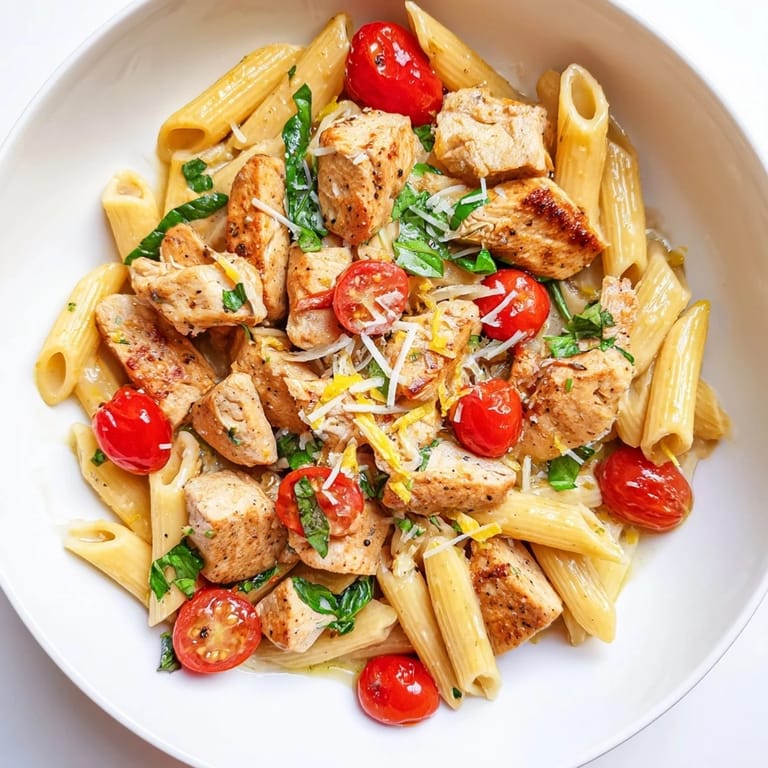
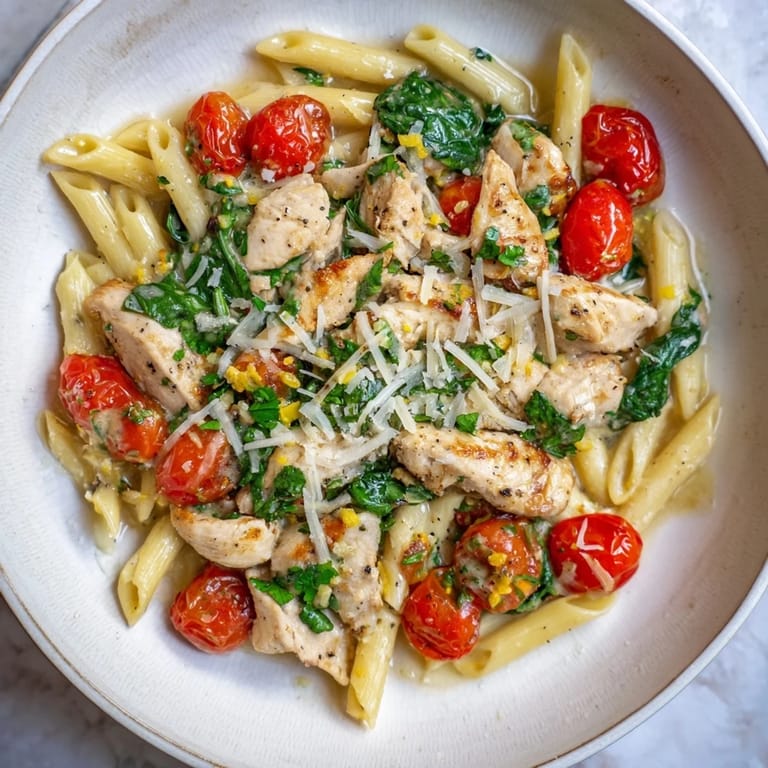
Save There's something about cooking pasta directly in broth that feels like cheating, except it's not—it's actually genius. I discovered this one-pan lemon herb pasta chicken on a Tuesday night when I was tired of juggling multiple pots and wanted something that tasted like I'd spent hours on it. The chicken stays tender, the pasta absorbs all that golden, lemony broth, and somehow everything comes together in one beautiful pan with barely any cleanup. It became the kind of dish I make when friends show up unexpectedly or when I need to feel like a better cook than I actually am.
I made this for my sister on a night she was feeling overwhelmed with work, and watching her face light up when she tasted that first bite of bright, lemony pasta reminded me why I love cooking for people. She asked for the recipe immediately, then called me the next week to say she'd made it twice already. That's when I knew this wasn't just another weeknight dinner—it was the kind of meal that sticks with people, the kind they come back to.
Ingredients
- Chicken breasts: Cutting them into bite-sized pieces means they cook quickly and evenly, and you get chicken in every forkful instead of hunting for it.
- Penne or fusilli: Choose a shape with texture that catches sauce; smooth pasta slides right through.
- Olive oil: This is your base, so use something you actually like tasting—not the cheapest bottle.
- Garlic and onion: These build flavor from the very first minute; don't skip them or rush them.
- Lemon: Use fresh, never bottled juice; the zest adds complexity that you'd miss otherwise.
- Cherry tomatoes: They burst slightly as they cook and release sweetness that balances the tartness beautifully.
- Baby spinach: It wilts in seconds at the end, adding color and a subtle earthy note without any extra work.
- Fresh herbs: Parsley and basil go in at the very end so they stay bright; dried herbs go in early to bloom in the heat.
- Chicken broth: This becomes your sauce, so pick one you'd actually drink on its own.
- Parmesan cheese: Freshly grated melts smoothly; pre-grated versions have anti-caking agents that make them grainy.
Tired of Takeout? 🥡
Get 10 meals you can make faster than delivery arrives. Seriously.
One email. No spam. Unsubscribe anytime.
Instructions
- Sear the chicken:
- Heat oil until it shimmers and barely smokes, then add chicken in a single layer. Don't move it around—let it sit for a full minute so it gets golden on one side. You're not cooking it through yet; you're just giving it color and flavor.
- Build your flavor base:
- Once the chicken's out, the pan still has all that golden stuff stuck to the bottom. That's liquid gold. Add onion and garlic to that same pan and listen for the sizzle; when it smells sweet and rich, you're ready for the next step.
- Combine pasta and broth:
- Add pasta directly to the pan along with broth, lemon zest, and lemon juice. Stir everything together until it comes to a boil, watching as the broth turns slightly cloudy from the starch of the pasta.
- Simmer and stir:
- Cover the pan, turn heat down, and let it bubble gently while you stir occasionally. The pasta needs about eight minutes to start softening and the broth to reduce slightly.
- Return the chicken and add tomatoes:
- Slide the chicken back into the pan along with halved cherry tomatoes. Cook uncovered so the remaining liquid can evaporate and concentrate—this is when you'll really smell how good this is going to be.
- Finish with greens and cheese:
- When the pasta is just tender and most liquid is absorbed, stir in spinach, parsley, basil, and Parmesan. The residual heat wilts everything in about a minute, and the cheese melts into a subtle, creamy coating.
- Taste and adjust:
- Always taste before serving. The lemon might need a squeeze more, or salt might need adjusting depending on your broth.
 Save
Save There was an evening when I made this for myself, no audience, no occasion, just because Wednesday felt like it needed something good. I sat on my porch with the plate balanced on my knee, the sun still warm on my face, and tasted that balance of bright lemon, tender chicken, and herbal freshness. It was one of those simple meals that reminded me cooking isn't about impressing anyone—sometimes it's just about taking care of yourself in the gentlest way possible.
Why This Works as a One-Pan Meal
The magic here is that pasta normally requires its own water, but by cooking it directly in broth, you're building flavor into the grain itself instead of throwing away all those starches. The chicken releases its own subtle flavors into the liquid, the aromatics steep longer, and everything gets to know each other instead of staying separate in different pots. It's efficient cooking that doesn't feel like a sacrifice—it actually tastes better than the traditional way.
Swaps and Variations That Actually Work
Turkey breast works beautifully here if you want something leaner, and it cooks in the same timeframe. Tofu, if you press it well and cube it slightly larger than the chicken pieces, absorbs all that lemony broth and becomes something actually worth eating. Gluten-free pasta will work but might absorb liquid differently—you may need slightly less broth. The herbs are flexible too; if you have fresh dill or tarragon, they'd be unexpected and wonderful additions.
Pairing and Serving Notes
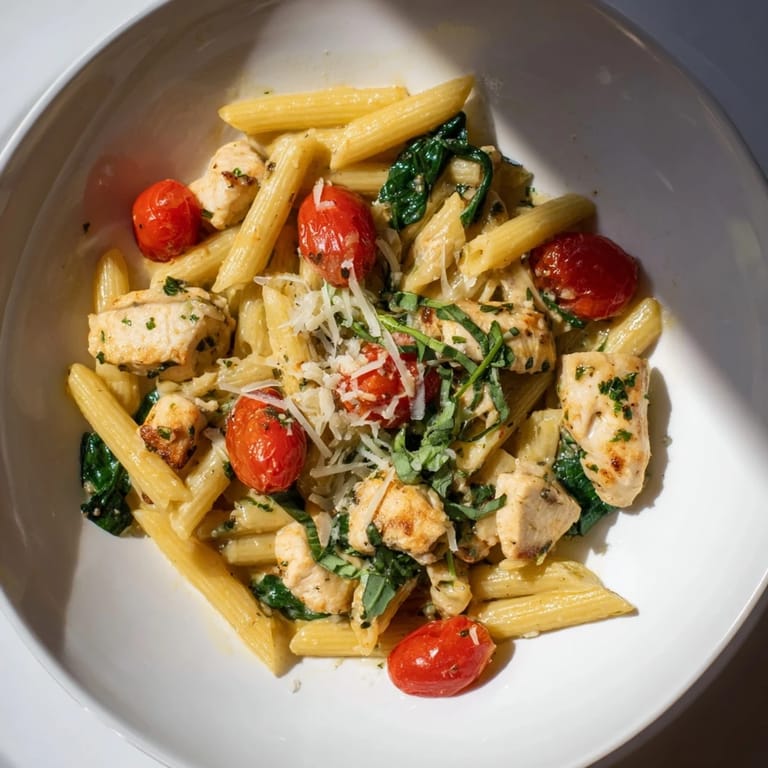
Serve this with crusty bread because there's always a little broth left in the bottom that's too good to leave behind. A crisp Sauvignon Blanc cuts right through the richness without competing with the lemon. If you're feeding people who like crunch, save some fresh herb leaves to scatter on top just before serving, and always have extra Parmesan at the table because everyone will want more.
- Make it ahead up to the point where you add spinach, then finish it fresh when you're ready to eat.
- Leftovers keep for three days and actually taste better the next day when all the flavors have had time to settle.
- If the pasta absorbs too much liquid and becomes dry, stir in a splash of broth or pasta water to loosen it back up.
 Save
Save This is the kind of meal that proves you don't need complicated techniques or fancy ingredients to create something genuinely delicious. Make it once, and it'll become part of your regular rotation.
Recipe FAQ
- → Can I use another type of pasta?
Yes, penne or fusilli work best to hold the sauce, but any short pasta like rotini or rigatoni can be used.
- → How can I make this dish gluten-free?
Simply substitute the pasta with a certified gluten-free variety and ensure the chicken broth is gluten-free.
- → What can I substitute for chicken?
Turkey breast or firm tofu are great alternatives that absorb the flavors well.
- → How do I ensure the pasta cooks evenly in one pan?
Maintain a gentle simmer and stir occasionally to prevent sticking and ensure even cooking.
- → Can I adjust the herbs to suit my taste?
Absolutely, fresh or dried herbs can be adjusted or swapped depending on your preference.