 Save
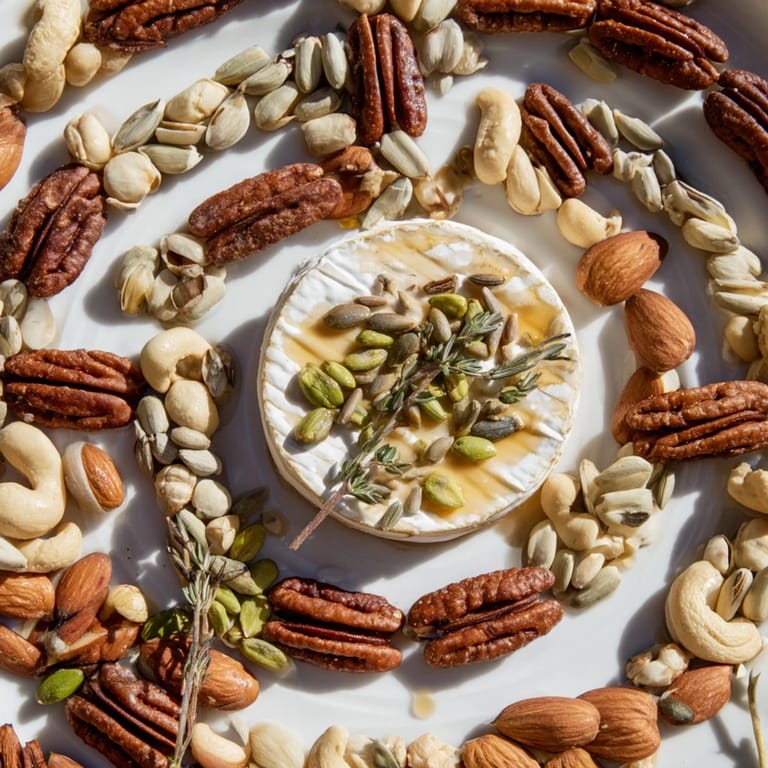
Save I discovered The Labyrinth at a gallery opening where a friend had arranged this intricate appetizer that seemed almost too beautiful to eat. Watching guests trace the winding path of almonds and cashews toward the creamy center felt like watching people solve a delicious puzzle, and I realized then that food could be both art and indulgence. The moment someone reached the soft cheese at the core, their face lit up in this genuinely delighted way that made me want to recreate that magic at my own table.
My sister texted me a photo from her daughter's birthday party showing kids using tiny forks to follow the maze, and somehow it became the highlight of the entire afternoon. That's when I understood this recipe isn't really about the cheese at all—it's about creating a moment where everyone slows down and plays a little.
Ingredients
- Raw almonds (40 g): Their slightly bitter edge balances the richness of the cheese, and I always choose raw because they look paler and create better color contrast against darker seeds.
- Roasted cashews (40 g): These add a buttery sweetness that guests expect, and roasting brings out their natural crunch.
- Pistachios (40 g, shelled): The vibrant green is non-negotiable for visual impact, and their natural tang cuts through the creaminess beautifully.
- Pecan halves (40 g): I learned the hard way that broken pieces don't align as neatly, so always use halves for the maze structure.
- Hazelnuts (40 g): Their round shape and warm brown color ground the whole arrangement and add an earthy note.
- Pumpkin seeds (30 g): These are your workhorse ingredient—they're flat enough to lay in straight lines and their pale green stands out against everything.
- Sunflower seeds (30 g): They pack tighter than you'd expect, so use them where you need a denser line or filler.
- Black sesame seeds (20 g): A tiny amount goes a long way visually, and they add sophistication and a subtle nuttiness.
- White sesame seeds (20 g): These create the lightening moments in your maze, almost like highlights that guide the eye along the path.
- Flaxseeds (20 g): They're smaller and slip into gaps, so save them for anywhere your lines need gentle filling.
- Soft-ripened cheese wheel (180 g): Brie and Camembert are traditional, but a really good vegan wheel works just as well and opens this up for more guests.
- Dried cranberries or cherries (2 tbsp, optional): A handful scattered in empty corners adds pops of color and a chewy contrast.
- Fresh herbs (2 tbsp): Thyme and rosemary look elegant draped over the cheese, and they signal that this is a thoughtful, intentional appetizer.
- Honey or agave (1 tbsp, optional): Just a light drizzle catches light and makes the cheese look even more precious and inviting.
Tired of Takeout? 🥡
Get 10 meals you can make faster than delivery arrives. Seriously.
One email. No spam. Unsubscribe anytime.
Instructions
- Sketch your path:
- Lightly pencil a winding labyrinth on your board, starting from an outer point and spiraling inward. I use a pencil because it's forgiving—you're just creating gentle guides, not marking in permanent ink.
- Build the outer walls:
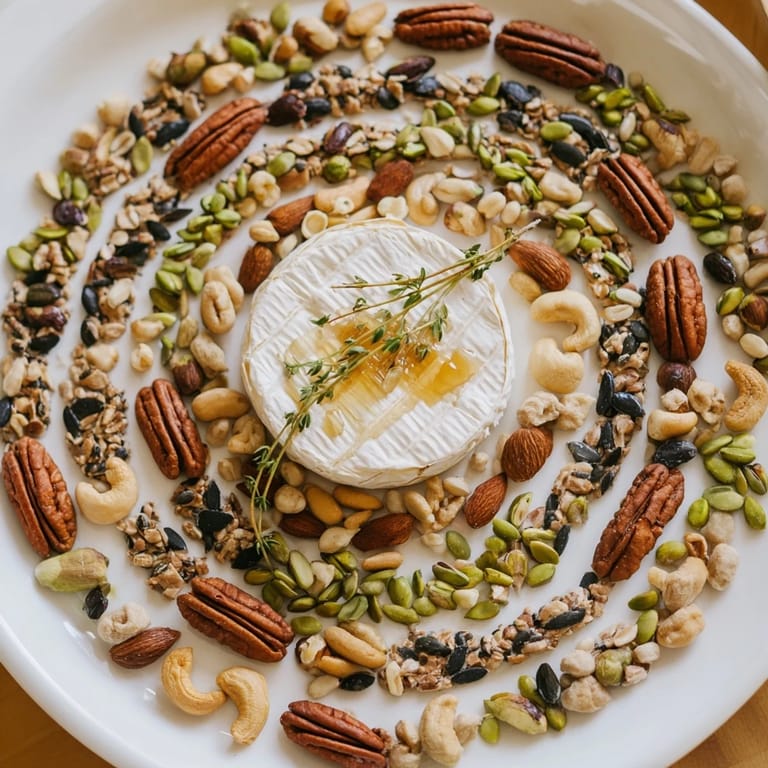
- Start with your most visually striking ingredient along the first line, laying single pieces closely together so they form a clear visual boundary. This first line sets the tone for the whole design, so take your time and enjoy the meditative rhythm of it.
- Layer in contrasts:
- Move to the next line and switch to a completely different ingredient—if you used almonds, go to pumpkin seeds next, then maybe pistachios. This alternation is what makes the labyrinth actually readable and stunning.
- Follow the spiral:
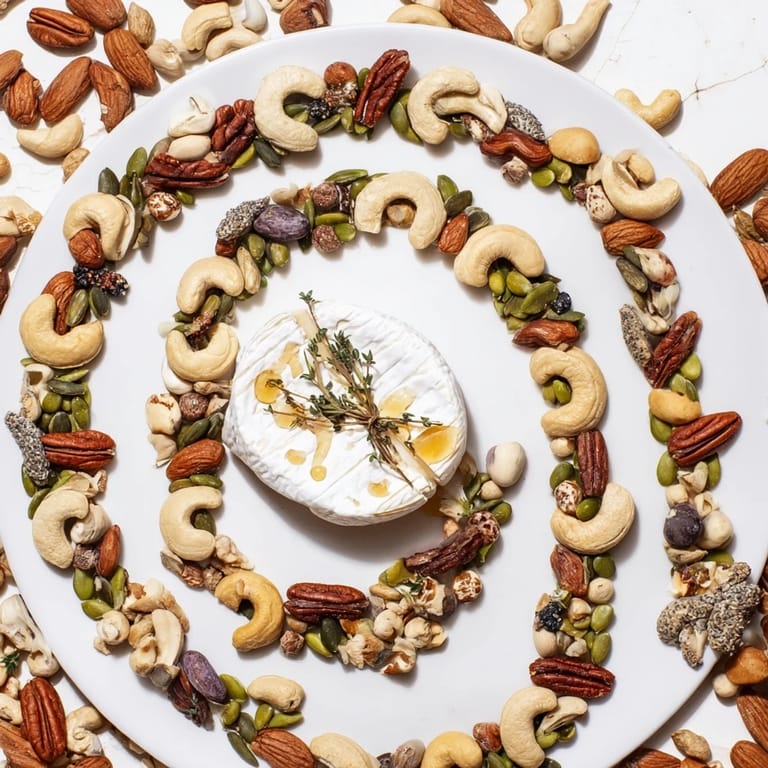
- Keep building inward, rotating through your ingredients so each line feels distinct and the path becomes impossible to miss. Watch for any gaps that need filling, and keep stepping back to see how the whole board is reading visually.
- Crown the center:
- Place the cheese wheel exactly where the labyrinth ends, letting it sit as the obvious prize at the heart of the maze. The cheese should look untouched and inviting, waiting for the first brave guest to claim it.
- Add the finishing touches:
- Scatter herbs over and around the cheese, drizzle with honey if using it, and tuck dried fruit into any remaining gaps. Step back and admire—you've just created something that looks like it took way longer than 25 minutes.
- Set out the tools:
- Place small forks or cocktail picks nearby and maybe leave a handwritten note explaining that guests should follow the maze to the cheese. Encourage the play of it.
 Save
Save I served this at a dinner where a quiet guest I didn't know well spent the entire evening slowly navigating the labyrinth, and by the time they reached the cheese, they were smiling in a way I'd never seen from them before. It reminded me that sometimes the smallest gesture—asking people to slow down and play—can shift the entire mood of a gathering.
Building Your Labyrinth Design
The beauty of this appetizer is that there's no single right way to arrange it, but I've learned a few tricks that make the design feel intentional. Start with your color palette in mind: darker seeds and nuts will read as lines against lighter ones, so group your ingredients by visual weight rather than by type. I like to use the flat, pale pumpkin seeds as my primary maze lines because they're easy to see and create clean edges, then use rounder nuts to break up the repetition and add depth.
Why Guests Love the Interactive Element
There's something about giving people permission to play with their food that makes an appetizer feel less formal and more memorable. When you hand someone a small fork and point them toward the beginning of the maze, you're inviting them into a moment of intentional slowness, which is rare at parties. I've noticed that people actually taste each nut and seed as they move along the path instead of just grabbing handfuls, which means they're getting the full sensory experience you intended.
Pairing and Serving Ideas
This works beautifully as a standalone appetizer, but I've also served it as the centerpiece of a larger grazing table where crackers, sliced fruits, and cured meats surround the labyrinth. A light white wine like Sauvignon Blanc or sparkling cider pairs perfectly and won't overpower the delicate flavors. For a heartier gathering, add a few categories of crackers around the outer edge so guests can build cheese and cracker bites as they navigate.
- Keep the cheese slightly cool so it holds its shape, but not so cold that it's difficult for guests to spread.
- If you're prepping ahead, arrange everything except the cheese up to two hours early, then add the cheese and garnishes 30 minutes before guests arrive.
- Always provide extra napkins—this appetizer is worth getting a little messy for.
 Save
Save The Labyrinth is the kind of recipe that reminds you that appetizers don't have to be fussy to be impressive—sometimes the most delightful moments at a table come from slowing down and savoring something simple made with intention. Make this when you want to create an experience, not just feed people.
Recipe FAQ
- → What types of nuts are best for the labyrinth?
Raw almonds, roasted cashews, pistachios, pecans, and hazelnuts each offer unique textures and flavors that create visual and taste contrasts in the arrangement.
- → Can I substitute the cheese for a vegan alternative?
Absolutely. Using a plant-based soft cheese maintains the creamy centerpiece while accommodating vegan preferences.
- → How can I ensure the labyrinth lines stay distinct on the platter?
Arrange nuts and seeds in single-file lines along a lightly sketched path to maintain clear separation and an elegant maze-like appearance.
- → What garnishes enhance the presentation and flavor?
Fresh herbs like thyme or rosemary, dried cranberries or cherries, and a drizzle of honey or agave add color, aroma, and subtle sweetness.
- → Is this appetizer suitable for gluten-free diets?
Yes, as long as all nuts, seeds, and any additional items like crackers are gluten-free certified, this platter fits gluten-free needs.