 Save
Save I discovered green goddess dressing by accident when my neighbor brought it to a potluck on a sweltering July afternoon. She poured it over a simple bowl of lettuce and radishes, and suddenly everyone at the table stopped talking. The dressing was so bright and herbaceous that it made the vegetables taste like they'd been grown in an herb garden instead of a grocery store produce section. I asked for her recipe the next day, and she laughed when I realized how simple it was—just a handful of fresh herbs, Greek yogurt, and a blender. Now I make it constantly, and it's become my secret weapon for turning ordinary salads into something memorable.
Last spring, I made this dressing for my sister's birthday lunch, and she nearly cried when she tasted it on her salad. She kept asking what made it so different from store-bought versions, and I realized it was the fresh tarragon—that slight anise note that snaps awake on your tongue. She started making it weekly after that, and now it's what her kids request instead of ranch. That's when I knew this wasn't just a dressing; it was something that changes how people taste their food.
Ingredients
- Greek yogurt, 1/2 cup: The creamy backbone that makes this dressing luscious without being heavy—full-fat feels richer, but low-fat works just as well.
- Mayonnaise, 1/4 cup: This adds emulsification and tanginess that Greek yogurt alone can't achieve; don't skip it thinking yogurt will suffice.
- Fresh parsley, 1/4 cup: The herbaceous hero that gives the dressing its signature color and mild, clean flavor.
- Fresh chives, 1/4 cup: A whisper of onion sharpness that lifts everything without overpowering the delicate herbs.
- Fresh tarragon, 1/4 cup: The secret player with a subtle anise note that makes people wonder what makes this taste so sophisticated.
- Fresh basil, 2 tablespoons: A small amount adds peppery sweetness without turning the dressing into pesto.
- Fresh lemon juice, 2 tablespoons: The brightness that wakes up all the herbs; bottled juice tastes flat by comparison.
- Garlic clove, 1 small: Just enough to add a gentle punch when minced fine; use a microplane for the smoothest blend.
- Anchovy fillets, 2 (optional): If you use them, they dissolve completely and add umami depth that makes people ask what's in it without guessing fish.
- Dijon mustard, 1 teaspoon: A stabilizer and flavor enhancer that keeps everything balanced.
- Salt and black pepper, to taste: Essential for tasting at the end because herbs vary in intensity depending on how fresh they are.
- Milk or water, 1–2 tablespoons optional: A failsafe if your dressing turns out thicker than you'd like.
Tired of Takeout? 🥡
Get 10 meals you can make faster than delivery arrives. Seriously.
One email. No spam. Unsubscribe anytime.
Instructions
- Gather your herbs and prep them:
- Wash the parsley, chives, tarragon, and basil gently and pat them dry with paper towels; even a little moisture helps them blend smoothly. If using a blender, tear the basil and tarragon leaves into rough pieces so they don't bruise.
- Combine everything in your blender or food processor:
- Add the Greek yogurt, mayonnaise, all the herbs, lemon juice, minced garlic, anchovies (if using), and Dijon mustard to the bowl. Don't turn it on yet—just make sure everything is roughly combined so nothing gets stuck underneath.
- Blend until smooth and green:
- Start on low speed and gradually increase to medium; this prevents the herbs from getting torn and oxidizing too much. You'll watch the color shift from pale to vibrant green, which is your signal that the herbs are fully incorporated.
- Scrape and blend again:
- Stop halfway through and use a spatula to push down anything clinging to the sides—the bottom can blend faster than the edges. One final pulse brings everything to a silky, uniform texture.
- Taste and season:
- This is the moment that matters: pinch of salt, crack of black pepper, and a gentle taste. Fresh herbs vary in intensity, so trust your palate more than measurements here.
- Adjust consistency if needed:
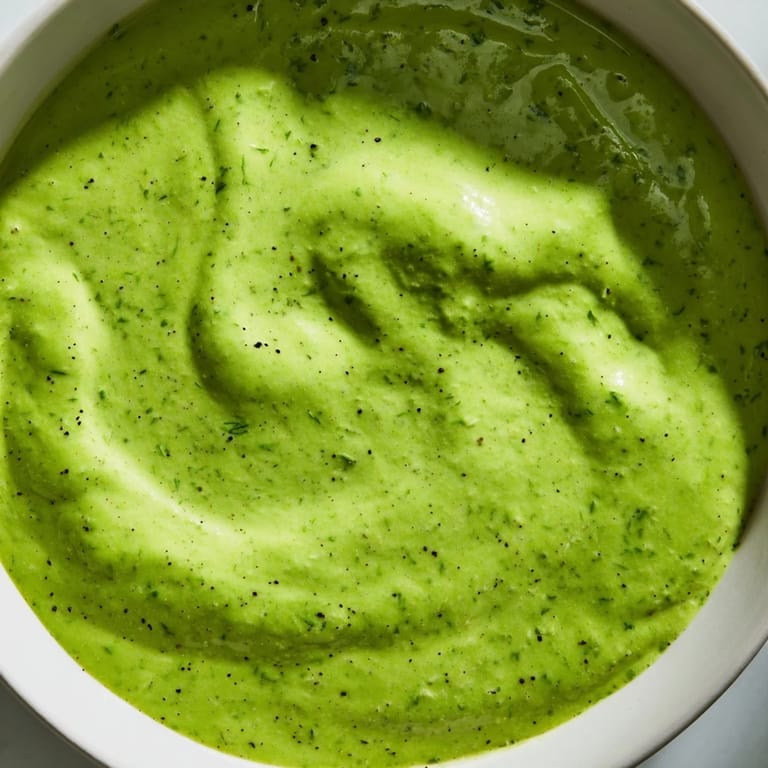
- If it looks thicker than you want, splash in milk or water one tablespoon at a time and blend gently until it reaches the pourable consistency you're after. Remember that it thickens slightly after chilling.
- Chill before serving:
- Transfer to a jar or bowl, cover, and refrigerate for at least 30 minutes—this resting time lets the flavors meld and deepen. The dressing will taste noticeably better after those 30 minutes than it does straight from the blender.
 Save
Save My favorite moment with this dressing came when my eight-year-old nephew asked if the salad was 'magic green' because suddenly vegetables tasted good instead of boring. He started requesting salad at every meal, which seemed impossible until his mom realized that the dressing made the difference. That's when I understood that good food isn't just about nutrition or technique—it's about making the ordinary feel special.
When Fresh Herbs Make All the Difference
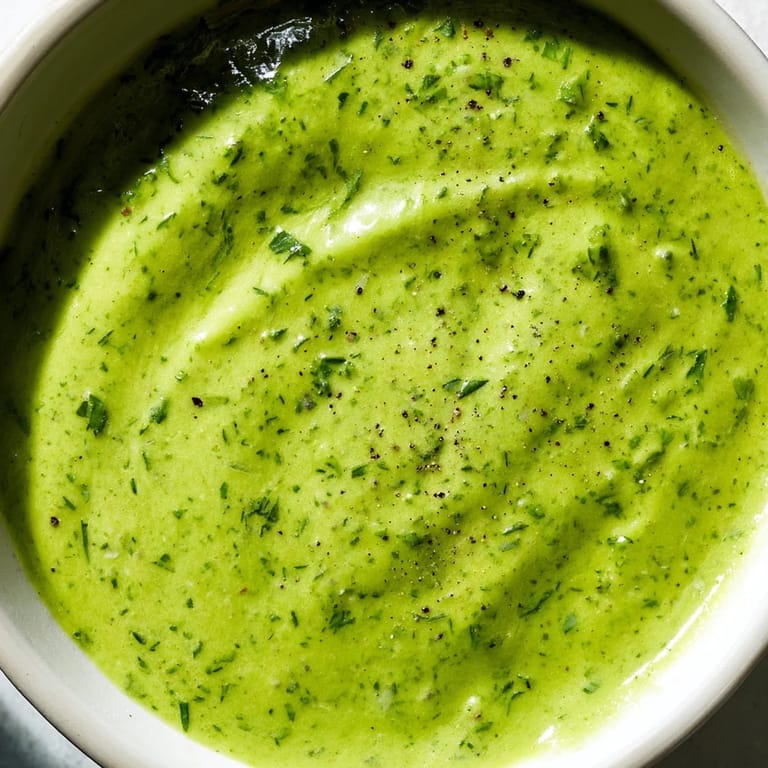
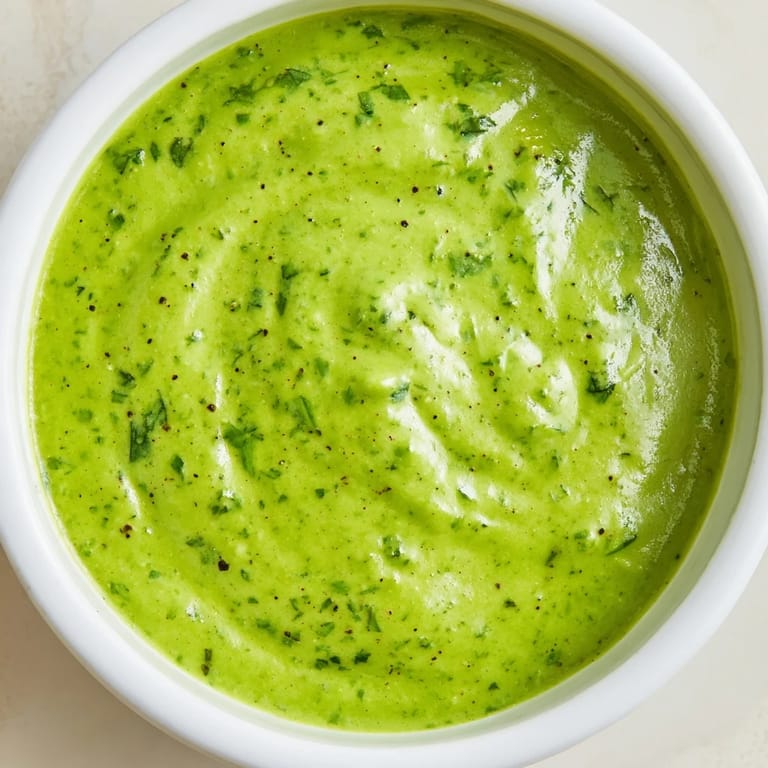
The herbs in this dressing are the entire story, and their freshness determines whether you get something memorable or forgettable. When I pick herbs from the farmers market on the day I'm making the dressing, the color is so bright it's almost unreal—a true grass-green that photographs without filters. When I've used herbs from the supermarket that have been sitting in plastic for days, the dressing comes out duller and tastes flatter, no matter how much lemon juice I add. The moment you notice the herbs starting to bruise or wilt, use them immediately because their flavor is already fading.
Flavor Variations and Swaps
Once you've made this dressing a few times, you'll start seeing opportunities to shift the flavor profile based on what's in your kitchen or what you're serving it with. Dill instead of tarragon gives it a fresher, brighter edge that works beautifully with seafood and light vegetables. Cilantro creates a completely different character—more tropical and slightly peppery—perfect if you're building grain bowls with avocado, corn, or black beans. I've even experimented with mint on hot summer days, which sounds strange until you taste how cooling and refreshing it becomes. The base formula stays the same, but these swaps prove that the dressing is forgiving and adaptable to your mood and pantry.
Beyond Salad: How I Use This Everywhere
This dressing deserves credit for being far more versatile than its name suggests, and I've trained myself to think of it as a multi-purpose ingredient rather than just a salad topping. I smear it on roasted vegetable sandwiches instead of mayo, drizzle it over grain bowls with farro and roasted beets, and set it out as a dip with fresh crudités when people are standing in my kitchen. My favorite discovery was using it as a spread on grilled chicken or fish—the herbs complement lean proteins in a way that heavy creamy dressings never do, and it looks gorgeous plated. I've also discovered that thinning it slightly with extra lemon juice and using it as a marinade for grilled zucchini or summer squash creates a side dish that tastes restaurant-quality and homemade at the same time.
- Store it in a glass jar with a tight lid, and it keeps for four days before the herb color starts fading.
- Make a double batch on a Sunday and you'll have lunch sorted for half the week.
- If you're feeling adventurous, stir in a tablespoon of capers or crushed pistachios for textural contrast.
 Save
Save This dressing has become my answer to the question I ask myself almost every evening: what can I make in minutes that tastes like I spent hours thinking about it? It's proof that simplicity and attention to fresh ingredients beat fussiness every time.
Recipe FAQ
- → What herbs give this dressing its flavor?
Fresh parsley, chives, tarragon, and basil create the vibrant herby profile in this dressing.
- → Can anchovies be omitted?
Yes, anchovies are optional and can be left out for a milder flavor or to keep it vegetarian-friendly.
- → How can I adjust the consistency?
Add milk or water gradually to reach your preferred thickness for drizzling or dipping.
- → What dishes pair well with this green dressing?
This dressing enhances salads, grain bowls, grilled veggies, and also works as a dip or spread.
- → How long can it be stored?
Keep refrigerated and consume within 4 days for optimal freshness and flavor.