 Save
Save I discovered the magic of a truly memorable charcuterie board at an unexpected moment—not at some fancy dinner, but while reorganizing my kitchen pantry on a Saturday afternoon. I spotted a small acorn-shaped cookie cutter buried in a drawer, and suddenly I imagined it cutting elegant cheese shapes instead of sugar cookies. That playful thought evolved into The Gilded Acorn, a board that transforms a simple spread into something that feels genuinely special. The combination of shimmering gold almonds, whimsical cheese cutouts, and carefully chosen accompaniments creates an experience that guests actually remember.
The first time I made this for a small gathering, a guest actually paused mid-conversation to ask where I'd learned such beautiful presentation skills. I laughed because the truth was simpler—I'd just listened to what felt right, trusted the edible gold would catch the light the way I imagined, and arranged everything like I was inviting people into my kitchen, not performing for them. That moment taught me that elegance often comes from genuine care, not complexity.
Ingredients
- Whole almonds (1 cup): These form your flavor foundation—raw almonds stay crisp and let other tastes shine, while their subtle earthiness balances richer cheeses perfectly.
- Pecans (1/2 cup): Their buttery warmth adds depth without overwhelming; they're the quiet contributor that makes people ask what that delicious nutty flavor is.
- Walnuts (1/2 cup): A bit more assertive than pecans, they provide a pleasant textural contrast and a hint of bittersweet complexity.
- Hazelnuts (1/2 cup): These bring an almost chocolatey sweetness that nobody expects in a savory board, creating delightful flavor surprises.
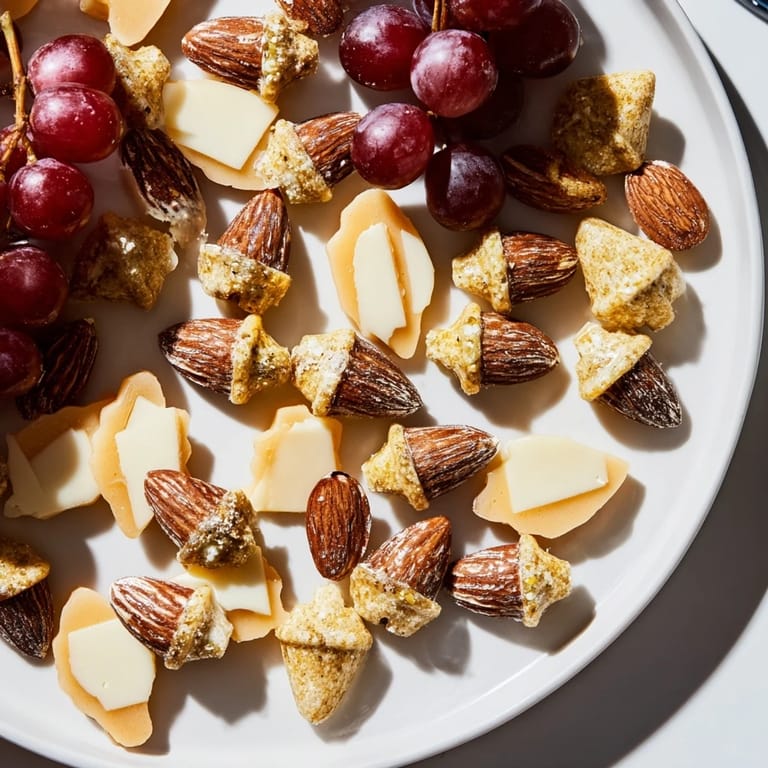
- Gold-sprinkled almonds (1/2 cup whole almonds + 1/2 tsp edible gold dust): This is your showstopper element—food-grade gold dust clings beautifully when almonds are lightly dampened, and the shimmer catches light gorgeously on any board.
- Sharp cheddar (8 oz block): Its firm texture cuts cleanly with your acorn cutter and its bold flavor stands up to the nut medley without fading.
- Gouda (8 oz block): Slightly smoky and wonderfully creamy, it adds sophistication and works beautifully in acorn shapes.
- Brie or camembert (8 oz, optional): If you include this, it softens everything—literally and figuratively—adding a luxurious counterpoint to the harder cheeses.
- Dried apricots (1/2 cup): Their natural sweetness and chewy texture create pockets of brightness that refresh your palate between bites of rich cheese.
- Dried figs, halved (1/2 cup): These bring an almost jammy depth that feels indulgent and pairs beautifully with gouda especially.
- Seedless red grapes (1/2 cup): Their burst of juice and tartness cut through richness—they're your palate cleanser hiding in plain sight.
- Fresh apple slices (1/2 cup): Crisp and slightly tart, they add freshness that keeps the board feeling light despite all the richness around it.
- Honey or fig jam (1/4 cup): This is your flavor bridge—it sweetens, it drips beautifully on cheese, and it ties everything together with a finishing flourish.
- Assorted crackers (1 cup): Mix textures here—some thin and crisp, some hearty—to give people options for how they want to compose their bites.
- Baguette slices (1 small baguette): Toasted lightly beforehand if you have time, they provide structure and won't crumble when topped with soft cheese.
Tired of Takeout? 🥡
Get 10 meals you can make faster than delivery arrives. Seriously.
One email. No spam. Unsubscribe anytime.
Instructions
- Wake up those almonds with gold:
- Place your 1/2 cup almonds in a small bowl and mist them lightly with water or a quick brush of your fingers—just enough moisture so the gold dust will cling instead of sliding off. Sprinkle the edible gold evenly over them, then gently toss until each almond catches the light like a tiny jewel. Let them sit for a few minutes to dry and set; they'll look even more brilliant once the moisture evaporates.
- Cut your cheese dreams into shape:
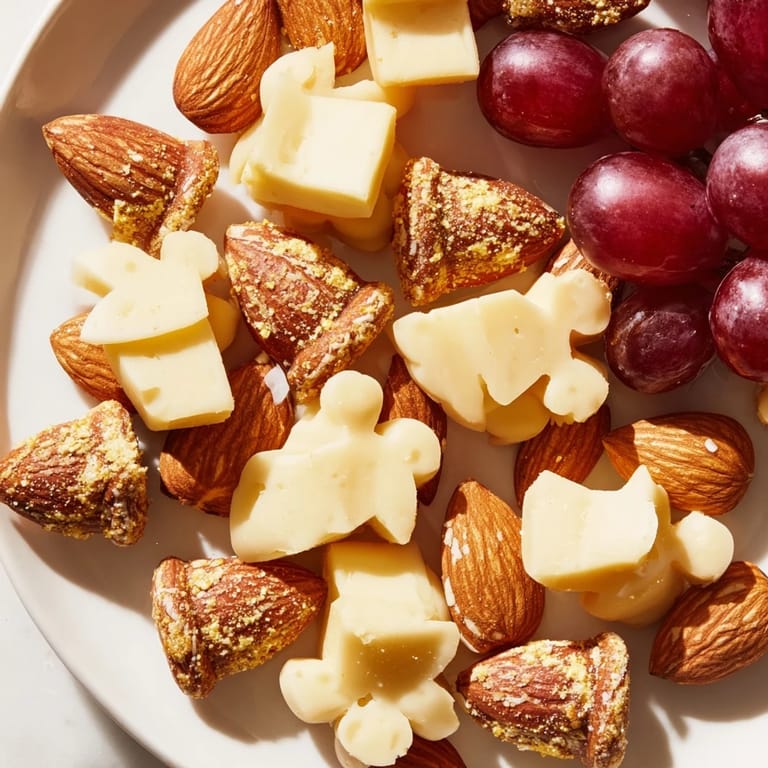
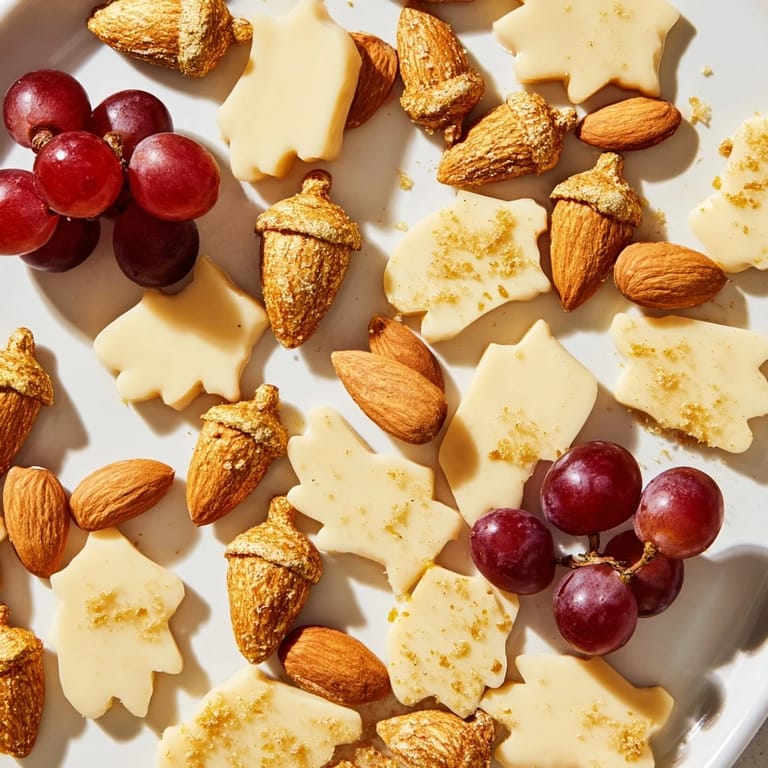
- Slice your cheddar and gouda into 1/4-inch thick slabs—thick enough to hold their shape but thin enough to cut cleanly. Press your acorn-shaped cookie cutter straight down with a confident motion, and you'll feel the moment it releases. If you want to get fancy, layer two different cheeses before cutting to create a two-tone acorn, or use your paring knife to carve subtle details that catch light.
- Create your nut landscape:
- Gather all your nuts—the regular almonds, pecans, walnuts, hazelnuts, and your new gilded beauties—and arrange them in small clusters or shallow bowls across your board. Think of it like creating little islands; each cluster should feel intentional but not too fussy. The gold almonds should have a place of visual honor where they'll gleam.
- Position your cheese accents:
- Scatter your acorn-shaped cheese cutouts around the board, leaving space between them so each one reads as a distinct element rather than a cheese block. If you're using brie or camembert, cut it into wedges and position these among the acorns for visual and textural variety.
- Add your color and brightness:
- Distribute dried apricots, figs, grapes, and apple slices in small piles or fanned arrangements—think of this step as adding punctuation marks across your composition. The reds and golds should provide visual rhythm, and the fresh apple slices should land where they'll stay looking crisp and inviting.
- Set your honey moment:
- Pour your honey or fig jam into a small serving dish and position it where it's accessible but won't drip across your carefully arranged elements. A small spoon or honey dipper beside it signals to guests that this is meant to be drizzled and savored.
- Fill the quiet spaces:
- Nestle your crackers and baguette slices into any remaining gaps on the board, creating pathways and options for how people will move through the arrangement. Don't overfill—a board with breathing room feels more generous than one that's crowded.
- Know when it's ready:
- Serve immediately if your guests are arriving soon, or cover it lightly with plastic wrap and refrigerate for up to an hour. This timing keeps everything at its best—cheese still sliceable, fruit still fresh, crackers still crisp.
 Save
Save What struck me most was watching people's faces when they first saw The Gilded Acorn set on the table. Someone actually said it looked too beautiful to eat, and then everyone laughed and dove in anyway. That's when I realized this board had become something more than ingredients—it had become permission to make gatherings feel special without stress or pretense.
The Story Behind Every Component
Each element on this board was chosen for a reason that goes beyond simple taste. I learned through trial and error that nuts need variety—not just for flavor complexity, but because different nuts appeal to different people, and having options makes everyone feel seen. The dried fruits came into play after I realized fresh fruit alone wasn't enough; the chewy sweetness of dried apricots and figs adds a different kind of satisfaction that keeps people reaching back. The fresh grapes and apple slices stay there as a reminder that brightness and crispness matter just as much as richness on any board.
Building Your Own Gilded Acorn
The beauty of this recipe is that it invites customization without losing its soul. The moment I started thinking of The Gilded Acorn as a template rather than a fixed formula, it became something I made again and again in different ways. Some seasons I swap in manchego or blue cheese when I'm feeling bold; other times I add pistachios or macadamia nuts depending on what's calling to me. The structure stays the same—the elegance of the concept, the playfulness of the acorn shapes, the luxury of the gold—but the specifics become yours.
The Finishing Touches That Matter
I've learned that the smallest details create the biggest impact on boards like this. Fresh herb sprigs—rosemary or thyme—tucked among the elements add color and aroma that nobody expects from a cheese board. They make the whole thing feel thoughtfully curated, like someone cared enough to think about all the senses. The wine pairing matters too; a crisp Sauvignon Blanc or sparkling rosé doesn't just taste good alongside these flavors, it transforms the entire experience into something that feels intentional and considered.
- Fresh herb sprigs like rosemary or thyme add unexpected fragrance and visual interest without requiring any work.
- Pair with a crisp white wine or sparkling rosé to elevate the whole experience from casual snacking to something more memorable.
- Arrange everything the morning of if you're hosting, then cover and chill—this actually helps flavors come together while keeping everything fresh.
 Save
Save Making The Gilded Acorn has taught me that elegance isn't about complexity or expense—it's about intention and imagination. Every time you create this board, you're inviting people to experience something that tastes as thoughtful as it looks.
Recipe FAQ
- → How do I make the gold almonds stick?
Lightly mist or brush the almonds with water before sprinkling edible gold dust. Toss gently and allow to dry for even coating.
- → What cheeses work best for cutting acorn shapes?
Firm cheeses like cheddar and gouda hold their shape well for the cookie cutter. Brie or camembert can be added for variety but are better in wedges.
- → Can this board accommodate dietary restrictions?
Yes, using gluten-free crackers or bread ensures it suits gluten-free preferences, and it naturally fits vegetarian diets.
- → What is a good beverage pairing?
Crisp white wines like Sauvignon Blanc or sparkling rosé complement the nutty and creamy flavors beautifully.
- → How to add fresh aroma and color?
Including fresh herb sprigs such as rosemary or thyme adds both fragrance and visual appeal to the board.