 Save
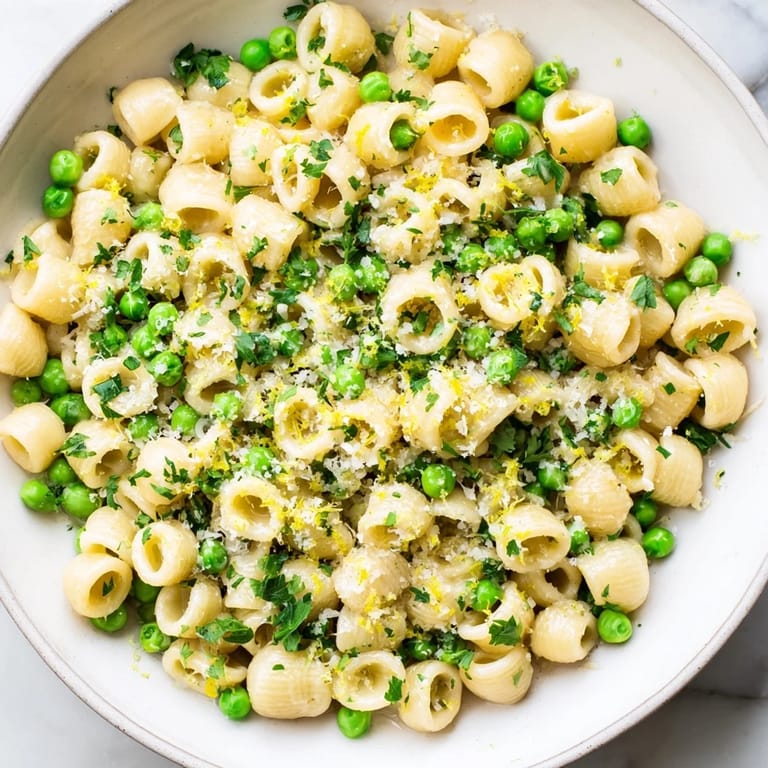
Save There's something about a weeknight when you open the fridge and find butter, garlic, and pasta—suddenly dinner writes itself. I discovered this dish by accident one evening, standing in front of an open pantry with ditalini and frozen peas, thinking I'd either make something forgettable or salvage the night. The butter hit the pan, garlic filled the kitchen with that unmistakable warmth, and something clicked. It's the kind of meal that tastes like you tried harder than you actually did, which is exactly when magic happens.
My neighbor smelled it cooking through the kitchen window and showed up at the door holding a bottle of wine, asking what I was making. That's when I knew this was keeper material. We sat down to bowls of this still-steaming pasta, and she kept going back for seconds, saying something simple made with care always tastes better than complicated things made in a rush. That night, this became the dish I make when I want to feed someone without overthinking it.
Ingredients
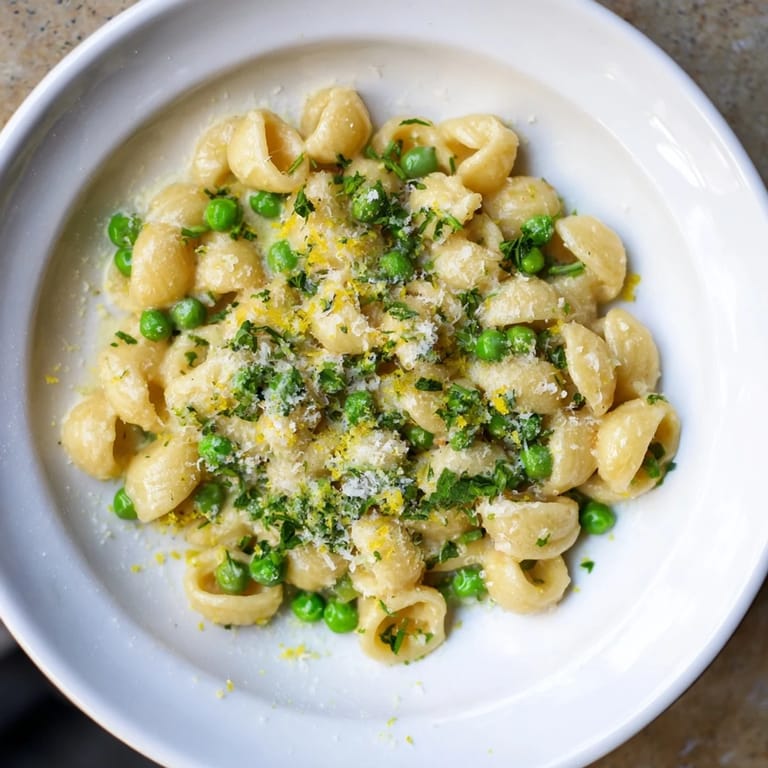
- Ditalini pasta (300 g): These small tubes are perfect for catching the butter sauce in every bite, but any small pasta shape works just fine—elbow, small shells, even orzo if that's what you have.
- Water (1.5 liters) and salt (1 tablespoon): Properly salted pasta water is non-negotiable; it's where the pasta learns its flavor from the very beginning.
- Unsalted butter (4 tablespoons): Quality butter makes the difference here since it's the main event—use something you'd actually want to eat on toast.
- Garlic cloves (4 large, finely minced): Mincing by hand gives you control; I learned the hard way that a food processor turns garlic into a watery mush.
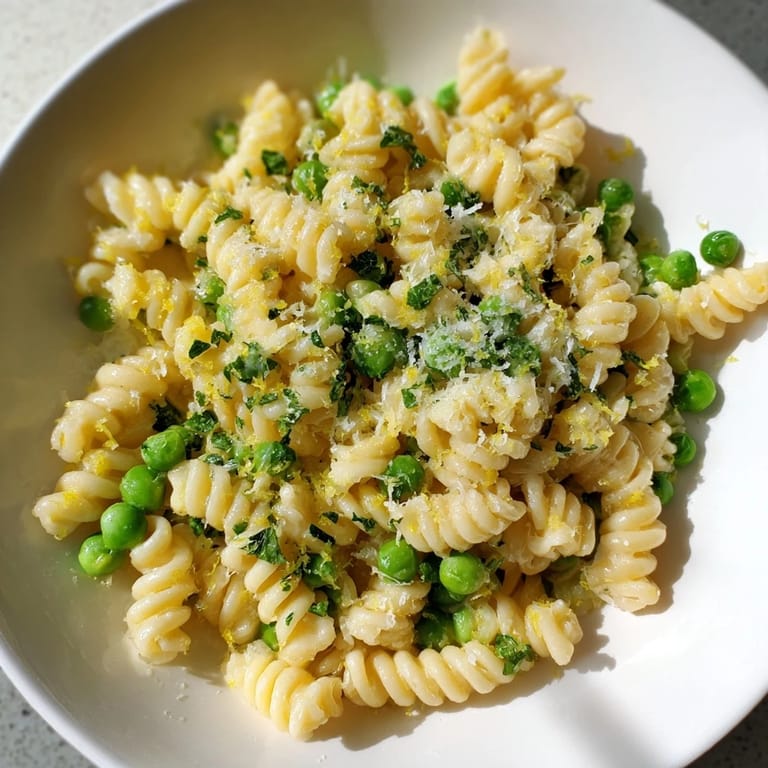
- Frozen peas (1 cup): Don't thaw them; they'll cook perfectly in the skillet and stay bright green with just the right texture.
- Parmesan cheese (1/3 cup, grated): Freshly grated melts into the sauce like silk, while pre-grated has additives that make it grainy.
- Black pepper and red pepper flakes: Start with less than you think you want—you can always add more heat.
- Fresh parsley, lemon zest (optional but encouraged): These are the small touches that make people ask what you did differently.
Tired of Takeout? 🥡
Get 10 meals you can make faster than delivery arrives. Seriously.
One email. No spam. Unsubscribe anytime.
Instructions
- Get your water boiling and pasta cooking:
- Fill a large pot with water, salt it generously so it tastes like the sea, then bring it to a rolling boil. Add the ditalini and stir it once so nothing sticks together, then let it cook according to the package instructions until it's tender but still has a tiny bit of resistance when you bite it. This is where patience pays off—al dente isn't just a phrase, it's the difference between great pasta and sad pasta.
- Melt butter and awaken the garlic:
- While the pasta cooks, put a large skillet over medium heat and add the butter. Once it's melted and foaming slightly, add your minced garlic and listen for the gentle sizzle—this should smell incredible in about a minute, and that's when you know it's perfect.
- Warm the peas until they bloom:
- Stir the frozen peas directly into the butter and garlic, no thawing needed. They'll heat through in 2 to 3 minutes and turn that beautiful bright green color that tells you they're ready.
- Bring it all together:
- Drain your pasta, reserving that starchy cooking water like liquid gold, then add the pasta to the skillet with the peas and butter. Toss it all together, adding just enough pasta water to create a silky coat—you want everything glistening, not swimming. The starch in that water is what makes the sauce cling to every piece.
- Finish with the soul of the dish:
- Remove from heat and stir in the Parmesan, parsley, and lemon zest if you're using them. Toss one more time until the cheese melts into the warm pasta, and taste it. This is your moment to adjust—need more salt, more pepper, more lemon? Now's the time.
- Serve while everything's still steaming:
- Divide into bowls, add a shower of extra Parmesan on top, and eat it immediately while the butter's still doing its best work.
 Save
Save The first time I made this for my kids, they asked for seconds without being asked, which never happens. That moment—when a simple, unpretentious dish gets genuine enthusiasm—is when you realize cooking isn't about impressing people, it's about nourishing them in a way that feels effortless and real.
Why This Pasta Works
Ditalini is built for butter sauces because of its shape; those little tubes are designed to hold onto the sauce rather than let it slide off like longer noodles do. The simplicity of garlic and butter means each ingredient has to pull its weight, so everything you choose matters. There's no cream to hide behind, no complicated technique to lean on—just honest flavors depending on each other.
Timing and Temperature
This dish lives or dies by temperature—everything moves quickly once the pasta is cooked, so have your skillet ready before the pasta finishes. If the butter cools too much, the cheese won't melt smoothly and you'll end up with clumpy bits instead of sauce. Medium heat on the skillet is your target; anything hotter and you'll toast the garlic before you want to.
Making It Yours
This is the kind of dish that invites improvisation without ever stopping being itself. A handful of torn basil instead of parsley, a whisper of anchovies if you're feeling brave, crispy bacon crumbled on top—these aren't departures, they're conversations with the dish. The foundation is so solid that it welcomes anything you want to add.
- Stir in shredded rotisserie chicken or crispy pancetta for protein without fuss.
- Swap the peas for roasted broccoli, sun-dried tomatoes, or even spinach—the butter will carry whatever you choose.
- For a vegan version, use good plant-based butter and nutritional yeast instead of Parmesan.
 Save
Save This is the meal I reach for when I want to cook something real but don't have energy for anything complicated. It reminds me that the best recipes aren't the ones with the most steps or rarest ingredients—they're the ones that taste like comfort and come together without drama.