 Save
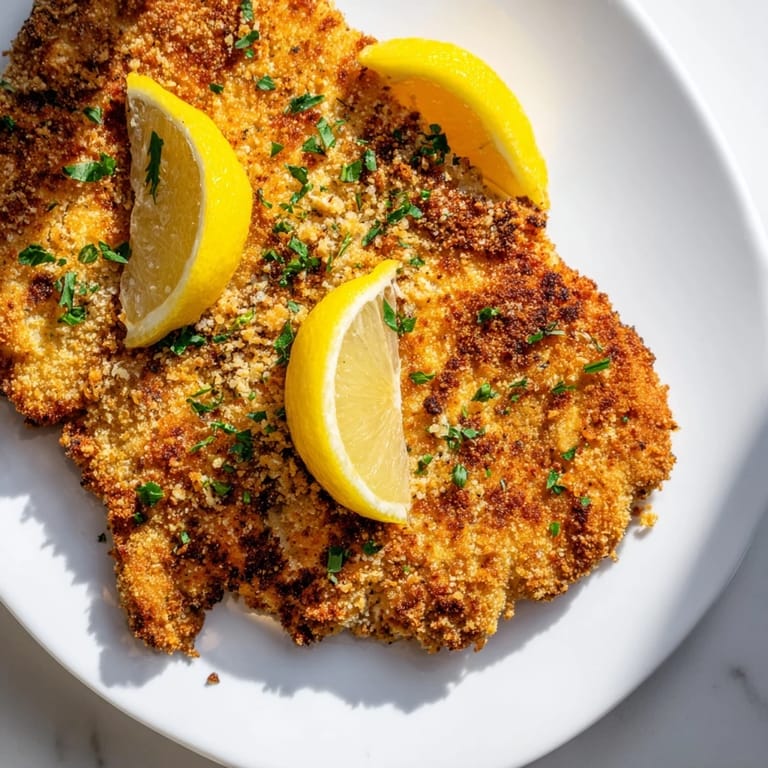
Save There's something about the sound of a chicken cutlet hitting hot oil that never gets old. My kitchen filled with that sizzle the first time I tried making these, and I couldn't help but smile at how something so simple could smell so inviting. The golden crust crackled under my fork, giving way to impossibly tender chicken inside. That night, my family asked for seconds before I'd even finished plating. I've made these countless times since, and they've become my go-to when I want to feel like I'm feeding people something special without spending hours in the kitchen.
I remember bringing these to a potluck where everyone showed up with salads and casseroles. By the end of the night, my platter was completely empty, and three people asked for the recipe. There's something disarming about food that tastes fancy but isn't pretentious, and these cutlets hit that sweet spot perfectly.
Ingredients
- Chicken breasts (4, about 150 g each): Boneless and skinless pound to an even thickness so they cook uniformly and stay tender, not dried out at the edges.
- Eggs (2 large) and milk (2 tablespoons): The egg wash is your glue, holding the crust to the chicken; the milk loosens it just enough to brush on smoothly.
- Parmesan cheese (1 cup/100 g, grated): Fresh Parm has sharper flavor and crisps better than pre-grated; if you use packaged, don't add the anti-caking agent.
- Panko breadcrumbs (1 cup/100 g): Regular breadcrumbs get dense and soggy; panko stays light and shatters when you bite down.
- All-purpose flour (1/2 cup/60 g): This base layer helps the egg stick and creates a more cohesive crust overall.
- Garlic powder (1 teaspoon) and dried oregano (1 teaspoon): These seasonings run deep into the crust and build layers of flavor without any fresh herbs needing attention.
- Salt (1/2 teaspoon) and black pepper (1/2 teaspoon): Season the chicken itself first so flavor penetrates, then season the coating for extra punch.
- Olive oil (1/3 cup/80 ml): Use oil with a high smoke point; olive oil works but vegetable or canola is more forgiving if you prefer less flavor.
- Lemon wedges and fresh parsley (optional): Lemon is the final note that cuts through richness; parsley is purely visual but brings a fresh contrast.
Tired of Takeout? 🥡
Get 10 meals you can make faster than delivery arrives. Seriously.
One email. No spam. Unsubscribe anytime.
Instructions
- Pound the chicken to even thickness:
- Place each breast between plastic wrap and use a meat mallet to pound gently from the center outward until about 1/2 inch thick. Even thickness means no dry edges and no undercooked centers.
- Season the chicken:
- Sprinkle salt and pepper on both sides now, while the surface is still exposed. This lets the seasoning soak in rather than sitting on top of the crust.
- Set up your breading station:
- Three bowls in a row: flour first, then the egg mixture whisked together, then panko mixed with Parmesan, garlic powder, and oregano. Having everything ready means you work fast and the chicken doesn't sit around getting soggy.
- Bread each cutlet:
- Coat in flour, shake off excess so it's not gloopy, dip in egg, then press firmly into the breadcrumb mixture on both sides. Press means it stays on during cooking instead of floating off into the oil.
- Heat your oil properly:
- Medium-high heat, about 3 minutes, until a breadcrumb sizzles immediately when dropped in. The oil needs to be hot enough to brown the outside before the inside dries out.
- Fry the cutlets:
- Cook in batches without crowding the pan, 3 to 4 minutes per side until deep golden brown. Use tongs to flip only once; moving them around stops the crust from forming. The internal temp should hit 74°C (165°F) when you check with a thermometer in the thickest part.
- Drain on paper towels:
- This stops residual oil from making the bottom soggy as it cools. Even a minute or two makes a difference.
- Serve immediately:
- The crust is crispest right now, with a squeeze of lemon and a scatter of fresh parsley if you're feeling it.
 Save
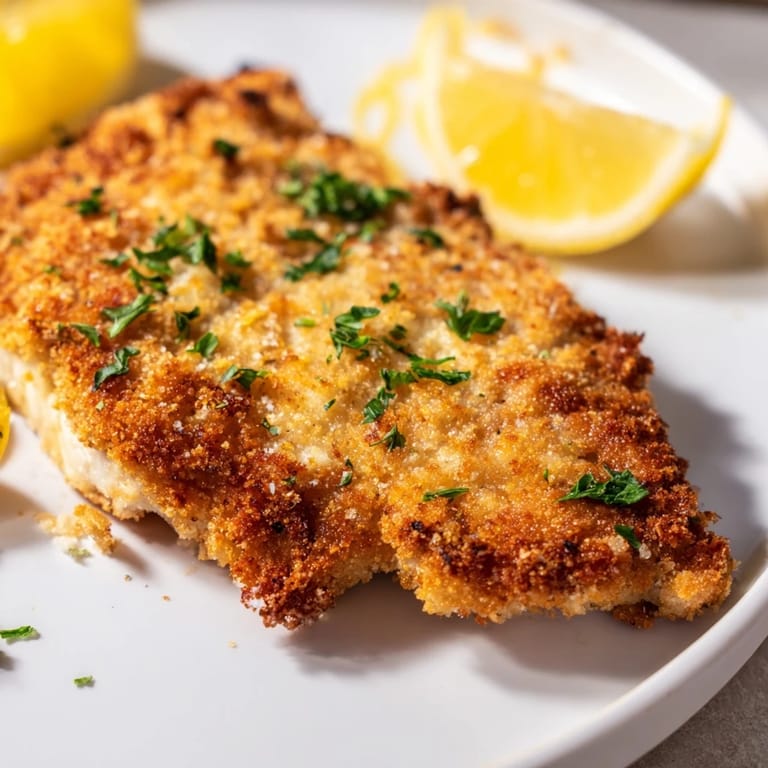
Save The moment that hooked me on this recipe came on a rainy Thursday when I made these just for myself. I sat at the counter with a plate and a lemon wedge, eating straight from the skillet almost, and realized how the crust had stayed crispy from the first bite through the last. That's when it stopped being just dinner and became something I actually looked forward to making.
Why This Crust Works
The triple-dredge method, where you coat in flour then egg then breadcrumbs, creates a barrier that seals the chicken and keeps it juicy while building layers of flavor and texture. Panko specifically stays light and airy during frying, creating air pockets that give way with a satisfying crunch instead of the dense, heavy crust you'd get from regular breadcrumbs. The Parmesan doesn't just add taste; it browns quickly and creates pockets of extra crispy bits throughout. Most people skip the initial flour coat thinking it's extra work, but that thin flour layer is what makes the egg stick properly and keeps the breadcrumbs from sliding off mid-cook.
Timing and Temperature Matter More Than You Think
The first time I made these, I worried the chicken would dry out because it's pounded so thin. I kept the heat lower than it should be, and the crust took forever to brown while the inside started drying despite being thin. Now I know: medium-high heat browns the outside fast enough that the residual cooking from that heat finishes the inside gently, keeping it tender. Once the crust hits that golden-brown stage, you're basically done.
Serving and Keeping Leftovers
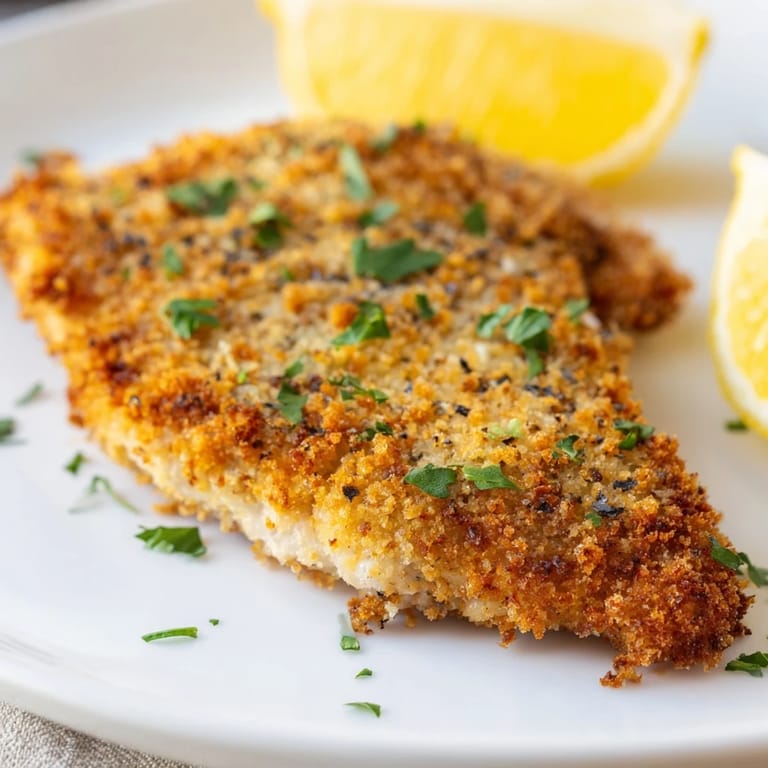
These are best served straight from the pan, but life happens and sometimes you have leftovers. The crust holds up better than you'd expect, especially if you drain them well and store them in a container with paper towels to wick away moisture. To reheat, forget the microwave and use a 350°F oven for about five minutes; it revives the crust without drying out the chicken further. You can also eat them cold the next day with a squeeze of fresh lemon and some arugula, which honestly tastes just as good.
- Pair these with simple sides: a squeeze of lemon, a green salad, or thin pasta to soak up any pan juices.
- Make extra breading mixture and freeze uncooked breaded cutlets to cook straight from frozen, adding just a minute or two to the cooking time.
- Slice leftovers and layer into a sandwich with arugula and a thin schmear of mayo for a completely different meal.
 Save
Save This recipe works because it respects the chicken instead of fighting it, and because you can have restaurant-quality dinner on the table in under thirty minutes. That combination is why it's stayed in my rotation for years.
Recipe FAQ
- → How do you achieve a crispy crust on chicken cutlets?
Dusting the chicken lightly with flour before dipping in egg helps the breadcrumb mixture adhere better, creating a crunchy exterior when pan-fried.
- → Can I use other cheeses instead of Parmesan?
While Parmesan adds a distinctive savory flavor and crisp texture, alternatives like Pecorino Romano or Asiago can be used for variation.
- → What oil is best for frying chicken cutlets?
Olive oil is recommended for its flavor and medium-high smoke point, though vegetable oil can be used for a neutral taste.
- → How thick should the chicken breasts be pounded?
About half an inch (1.25 cm) thickness ensures quick even cooking and tender texture without drying out.
- → What side dishes complement this dish well?
Fresh salads, roasted vegetables, or simple pasta pair nicely, balancing the rich and crispy cutlets.