 Save
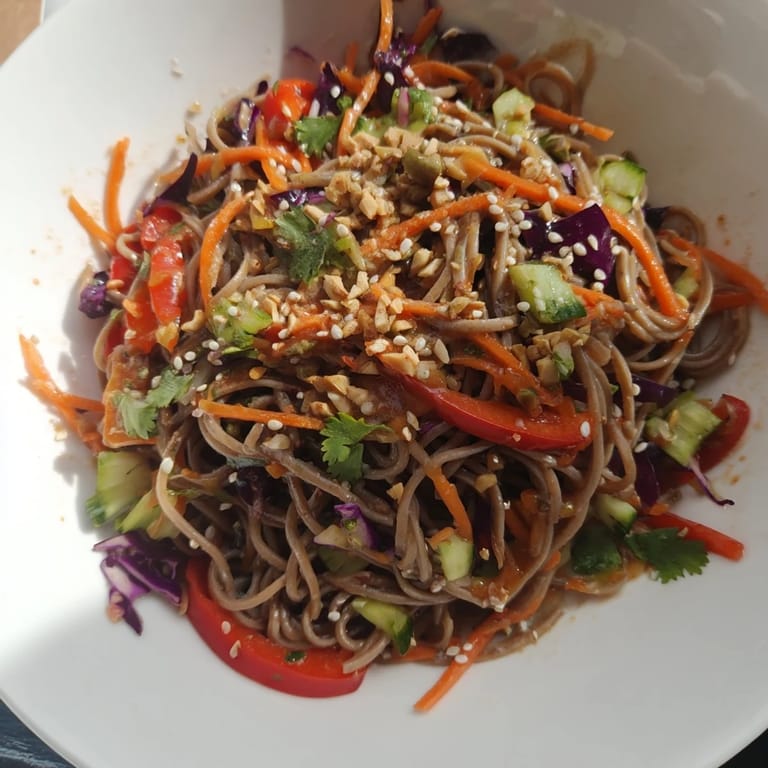
Save There's something almost magical about the moment a bowl of cold noodles hits the table on a sweltering afternoon—how the steam rising from a hot kitchen suddenly becomes irrelevant when you twirl those silky strands around your chopsticks and taste that punch of ginger and sesame. I discovered this salad completely by accident when I was trying to cool down one summer, refusing to turn on the oven, and found myself standing in front of an open fridge thinking there had to be something better than cereal for dinner. What started as improvisation became my go-to answer whenever someone asks what I make when I can't be bothered with heat but don't want to settle for sad.
I made this for a potluck once where everyone brought some variation of pasta salad with way too much mayo, and watching people's faces when they tried something cold and aromatic instead was honestly the highlight of my summer. One friend asked if it was restaurant food, and I realized then that this recipe had somehow crossed from my personal experiments into something that actually impressed people—which is the best kind of cooking accomplishment.
Ingredients
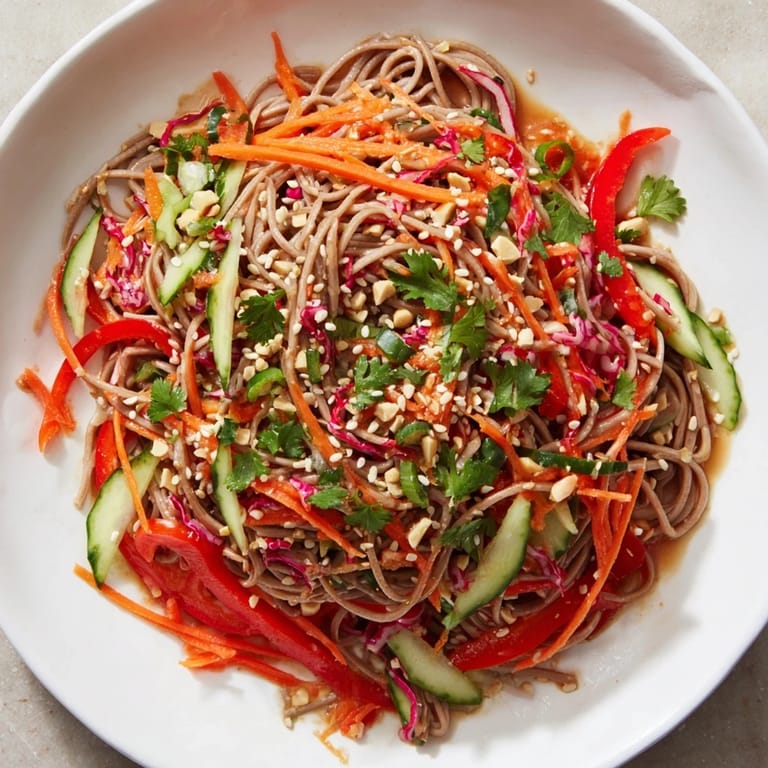
- Dried soba or rice noodles (250 g): Soba noodles give you that slightly nutty flavor and firmer bite, but rice noodles work beautifully too if you need gluten-free or just prefer their delicate texture.
- Carrot, julienned: The sweetness balances the salty-tangy dressing, and cutting it into thin matchsticks means it actually absorbs flavor instead of just sitting there.
- Red bell pepper: Thinly sliced keeps the crunch alive and adds a sweetness that makes the whole bowl feel lighter.
- Cucumber, seeded and julienned: The seeds hold too much water and make everything soggy, so that extra step of scooping them out actually matters.
- Spring onions: These become almost sweet when raw, especially if you use the white and light green parts and save the dark greens for garnish.
- Red cabbage, thinly shredded: It stays crisp longer than green cabbage and adds that deep color that makes the whole bowl look more intentional.
- Fresh cilantro: Some people hate it with a passion, but those who love it understand that it's the final note that ties everything together.
- Soy sauce (3 tbsp): The umami backbone—use good soy sauce here because it's a main ingredient, not an afterthought.
- Rice vinegar (2 tbsp): This is milder than regular vinegar and doesn't overpower; it just brightens everything up.
- Toasted sesame oil (2 tbsp): Never skip the toasted kind, and measure carefully because a little goes a long way in the best way possible.
- Honey or maple syrup (1 tbsp): Just enough sweetness to make the ginger feel like a friend instead of a shock to your system.
- Fresh ginger, finely grated (1 tbsp): This is where the magic lives; fresh ginger makes the whole dish sing in a way that powder never could.
- Garlic clove, minced: One is enough—garlic can take over if you're not careful, and we want balance here.
- Sriracha or chili sauce (1 tsp, optional): Only if you want heat, and honestly, you don't need it because the ginger already brings warmth.
- Toasted sesame seeds (1 tbsp for dressing, plus more for garnish): Toast them yourself if you can; the smell alone is worth it.
- Roasted peanuts or cashews: The final textural moment, rough chopped so you get good-sized pieces.
Tired of Takeout? 🥡
Get 10 meals you can make faster than delivery arrives. Seriously.
One email. No spam. Unsubscribe anytime.
Instructions
- Cook the noodles until just tender:
- Follow the package timing exactly—you want them soft but still with a tiny bit of bite, not mushy. Drain them immediately, then run cold water over them while gently separating strands with your fingers until they're completely cool and won't stick together in clumps.
- Prep every vegetable while noodles cool:
- The julienning takes a few minutes, but having everything cut and ready means the assembly feels effortless. Keep them in separate little piles if you want—it's actually nice to see all the colors before they get mixed together.
- Whisk the dressing until honey dissolves:
- In a small bowl, combine soy sauce, rice vinegar, sesame oil, honey, ginger, garlic, Sriracha if using, and sesame seeds. Whisk until the honey disappears completely and everything looks glossy and emulsified.
- Combine noodles and vegetables in a large bowl:
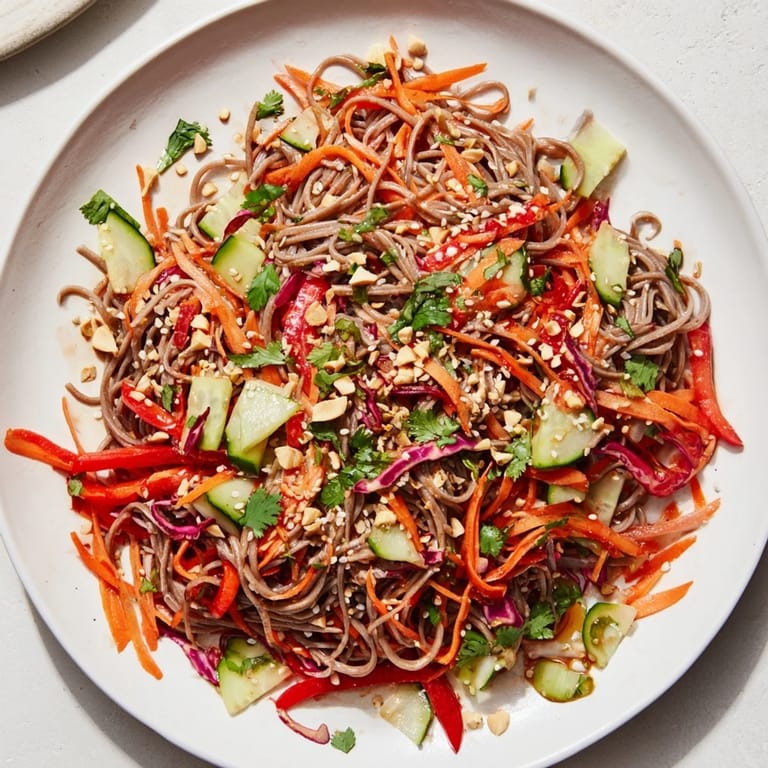
- Pour cooled noodles into the bowl with your prepped vegetables and cilantro, then pour the dressing over everything. Use tongs or your hands to toss gently but thoroughly, making sure the dressing coats every noodle and vegetable.
- Plate and garnish right before serving:
- Divide among bowls and top each one with roasted nuts and extra sesame seeds. If you're making this ahead, keep it in the fridge and garnish just before eating so the nuts stay crunchy.
 Save
Save The best moment with this recipe happened when my roommate came home from work looking completely defeated by the heat, and after one bowl of this, she actually smiled and said she could face the rest of the evening. That's when I understood that food doesn't need to be complicated to feel like care.
Why This Works as a Summer Dinner
Everything about this salad exists to keep you cool—the chilled noodles, the crisp vegetables, the zingy dressing that tastes refreshing instead of heavy. There's no cream, no warm components, and no guilt, just flavors that make you feel energized instead of sluggish. It's the kind of meal where you can eat a big bowl and actually feel better afterward.
Make It Your Own
This recipe is forgiving and actually encourages tinkering once you understand the balance. You could add shredded cooked chicken or crispy tofu for protein, swap vegetables based on what your farmers market has, or adjust the heat level depending on your tolerance. The foundation is solid enough that changes feel like customization rather than fixing something broken.
Storage and Make-Ahead Tips
You can prep components separately and assemble right before serving, which is honestly my favorite approach on busy days. Store noodles, vegetables, and dressing in separate containers in the fridge for up to two days, then toss together when you're ready to eat. The texture stays best within the first day, but it tastes good for two if you don't mind slightly softer noodles.
- Make the dressing first and let it sit while you prep vegetables—flavors deepen and meld together.
- Keep nuts separate until the very end so they stay crunchy instead of absorbing dressing and getting soggy.
- If serving a crowd, assemble in a large shallow bowl instead of individual plates so people can serve themselves and customize toppings.
 Save
Save This is the recipe I reach for when I want something that feels special without the stress, and somehow it never disappoints. Keep it in your rotation for those days when the kitchen feels like the last place you want to be.
Recipe FAQ
- → What noodles work best for this salad?
Soba noodles provide a nutty flavor, while rice noodles offer a gluten-free alternative, both ideal when chilled thoroughly before mixing.
- → Can the dressing be made ahead?
Yes, the sesame-ginger dressing can be prepared in advance and chilled, allowing flavors to meld before tossing with noodles and veggies.
- → How can I make the salad gluten-free?
Use tamari instead of soy sauce and substitute rice noodles for soba noodles to ensure the dish is gluten-free.
- → What proteins complement this salad well?
Grilled chicken, cooked shrimp, or tofu are excellent additions for extra protein and flavor balance.
- → Are there recommendations for nuts or seeds substitutions?
If allergic, omit peanuts or cashews and substitute with crunchy seeds like sunflower or pumpkin seeds.