Save
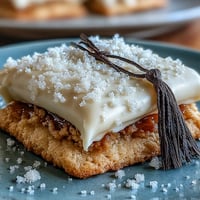
Save My neighbor Zorica taught me to make gibanica on a gray Sunday afternoon when her kitchen smelled like melting butter and possibility. She pulled out sheets of phyllo so thin they were practically translucent, and I watched her hands move with the kind of confidence that only comes from making something a hundred times before. The first time I tried it myself, I was terrified the pastry would tear, but she'd already told me the secret: don't panic, just keep brushing oil between the layers. Now whenever I make it, I think of her laughter and how she said a broken sheet doesn't matter because nobody will know once it's baked golden.
I made this for my brother's birthday potluck last spring, nervous because everyone's expectations are high when it comes to ethnic food. The gibanica came out of the oven still hissing softly, and I cut it into squares right there at the table while it was warm. Watching people's faces light up as they bit into it—that crispy exterior giving way to the creamy, salty cheese inside—made me feel like I'd actually accomplished something worth doing.
Ingredients
- Cottage cheese (300g): This is your creamy backbone, milder than feta alone and gives the filling that light, airy quality that makes gibanica feel less heavy than it should be.
- Feta cheese (200g, crumbled): Don't skip the real thing here, the sharpness is what makes people ask for seconds, and crumbling it by hand ensures it distributes evenly through the filling.
- Eggs (4 large): These bind everything and create that slight wobble in the center that means it's cooked just right, not dry.
- Plain yogurt (100ml): The tanginess keeps things interesting and adds moisture that prevents the filling from getting grainy or separated.
- Sunflower oil (50ml for filling, plus 2 tbsp for brushing): Use a light hand with the oil between layers—too much and the phyllo turns greasy, too little and it won't crisp.
- Sparkling water (50ml): This is the little trick that keeps the cheese mixture light and helps the filling stay tender even after baking.
- Salt and black pepper: Start with the half teaspoon and taste as you go, feta is already salty.
- Phyllo dough (500g, about 12 sheets): Make sure it's completely thawed before you open it, or it'll crack and shatter immediately.
- Egg yolk (optional): If you want that mahogany-gold finish, beat this with a splash of water for an egg wash.
Tired of Takeout? 🥡
Get 10 meals you can make faster than delivery arrives. Seriously.
One email. No spam. Unsubscribe anytime.
Instructions
- Set yourself up for success:
- Heat your oven to 180°C and grease your baking dish generously with oil. Have all your ingredients measured and ready before you open the phyllo, because once you start layering, you need to move quickly.
- Make the filling:
- Combine the cottage cheese, crumbled feta, eggs, yogurt, oil, sparkling water, salt, and pepper in a bowl and whisk until smooth and no lumps of feta remain. The mixture should feel light and spreadable, almost mousse-like.
- Build the first layers:
- Place one sheet of phyllo in the dish and brush it lightly with oil, keeping the remaining sheets covered with a damp towel so they don't dry out. Repeat with two more sheets, brushing each carefully.
- Start the filling layers:
- Spread 3 to 4 tablespoons of the cheese mixture evenly over the phyllo, using an offset spatula or the back of a spoon. Don't use too much at once or the layers will shift.
- Continue building:
- Add 2 to 3 more phyllo sheets, brushing each with oil, then more filling. Keep alternating in this rhythm—phyllo, oil, filling—until you've used everything, finishing with 2 sheets of phyllo on top.
- Seal and finish:
- Brush the entire top generously with oil and, if you're using it, brush on the egg yolk mixture for extra shine. Let it sit for a minute so the oil soaks in.
- Cut before baking:
- Using a sharp knife, score the top into squares or diamonds in whatever size you like, cutting all the way through to the bottom so the pieces separate cleanly after baking.
- Bake until golden:
- Slide it into the oven for 35 to 40 minutes, until the top is deep golden and you can hear it crackling slightly when you move the pan. The sound is the crispy phyllo singing.
- Cool and serve:
- Let it sit for 10 minutes so the filling sets just enough to hold its shape, then serve it warm, at room temperature, or even cold the next day.
 Save
Save My sister brought her new boyfriend to dinner and he was skeptical about phyllo, about cheese pies, about the whole Balkan thing. Then he took a bite and got that expression people get when they taste something that changes their understanding of what food can be. He asked for the recipe that night, and I knew then that some dishes don't just feed people, they become part of how they remember you.
The Phyllo Secret Nobody Talks About
Phyllo dough terrifies people, but it shouldn't. The only real rule is that it hates being cold and dry. Thaw it completely at room temperature, keep the stack covered with a barely damp towel while you work, and move with confidence rather than caution. If you hesitate and fuss, it cracks; if you brush it with oil and keep moving forward, it cooperates. It's almost like dough has feelings.
Why This Tastes Better Than It Should
The genius of gibanica is that it's built on contrast. Crispy meets creamy, salty meets tangy, rich meets light. The feta and cottage cheese together create something that neither cheese could do alone—the feta gives it backbone and character, but the cottage cheese keeps it from being overwhelming. The sparkling water and yogurt in the filling make it almost cloud-like, and then the phyllo exterior shatters between your teeth. It's this play between textures that makes you keep eating even when you're already full.
Making It Your Own
Once you understand the basic structure, you can play with it. Some people add a tablespoon of sour cream to the filling for extra tang, or a pinch of nutmeg if they're feeling adventurous. I've made versions with roasted red peppers tucked between layers, or fresh dill mixed into the cheese. The framework stays the same, but the possibilities shift depending on what's in your kitchen and what you're craving.
- Serve it with a fresh tomato and cucumber salad on the side to cut through the richness with brightness.
- If you have leftovers, store them in an airtight container in the fridge for up to four days and reheat gently in a low oven so the phyllo stays crisp.
- For a gluten-free version, use gluten-free phyllo sheets and the rest of the recipe works exactly the same way.
 Save
Save Gibanica is the kind of dish that proves food is really about connection. Make it for someone you want to impress, make it for yourself on a quiet afternoon, make it for a table full of people. Either way, it shows up golden and honest and feeds more than just hunger.
Recipe FAQ
- → What cheeses are used in this layered pie?
Cottage cheese and crumbled feta are combined to create the rich, creamy filling.
- → How is the pastry made crispy?
Phyllo dough sheets are brushed with sunflower oil between layers, resulting in a golden, crisp texture when baked.
- → Can I add extra flavor to the filling?
Yes, a tablespoon of sour cream can be added for a richer taste and creamier texture.
- → Is there a gluten-free option available?
Gluten-free phyllo sheets can be used as a substitute to make this dish gluten-free.
- → What sides pair well with this layered pie?
Fresh tomato and cucumber salad complements the savory pie nicely and adds a refreshing contrast.