 Save
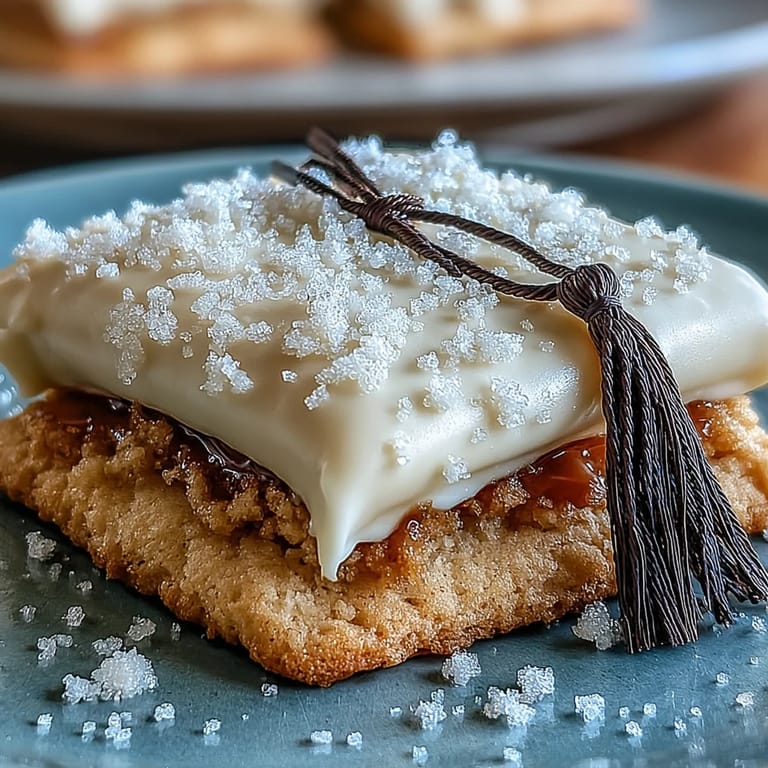
Save The joyful chaos of graduation nights always lingers for me in the gentle scramble of flour across my countertop. While I was never the one to toss my cap the highest, I found genuine celebration in creating these Diploma and Cap cookies—letting gold shimmer dust trail across my kitchen like confetti. The process, an artistic escape with royal icing, has become its own right of passage each spring. There's a tangible delight in squinting at a tray of cookies, trying to decide if a tassel should curve left or right. These little edible diplomas may be shaped by cutters, but they're finished with personal flourishes every time.
I once baked these cookies late into the evening before my cousin’s high school graduation, streaming music and humming along as I piped ribbons. By midnight, my fingers were dusted in gold luster and the entire kitchen smelled of sweet vanilla and anticipation. When we passed the platter around the next afternoon, I remember the surprised laughs at how realistic—and golden—the little diplomas looked. My uncle, who never eats dessert, quietly pocketed an extra. That simple moment grounded the tradition of making these cookies for every big milestone since.
Ingredients
- All-purpose flour: Gives the cookies firm structure so they hold their diploma and cap shapes; always spoon and level for accurate measurement.
- Unsalted butter: Creates a melt-in-your-mouth texture; I let it soften on the counter for at least an hour for the creamiest blending.
- Granulated sugar: Sweetens just enough to let the icing shine but not overwhelm; blending thoroughly ensures no sugar grit in the dough.
- Large egg: Binds the dough and adds a touch of richness; use at room temperature so the dough comes together smoothly.
- Vanilla extract: Infuses classic bakery aroma; using pure vanilla deepens the flavor with every bite.
- Almond extract (optional): A tiny splash elevates the background flavor; but if nut allergies are a concern, simply skip or swap for lemon extract for brightness.
- Salt: Balances sweetness and sharpens the flavors; I opt for fine sea salt for an even mix.
- Powdered sugar: Ensures royal icing is cloud-smooth for perfect piping and flooding; always sift before mixing to avoid any lumps.
- Egg whites (or meringue powder and water): Whips icing to glossy peaks; if using meringue powder for safety, check your ratios carefully for the right consistency.
- Cream of tartar: Stabilizes the icing so it holds its shape and sheen; I learned never to skip this for detailed cookies.
- Black gel food coloring: Gives cap designs a sleek, true color; just a dab goes a long way, so add gradually.
- Gold edible luster dust & clear alcohol/lemon extract: The final magical detail for tassels and ribbon accents; let the brush barely glide for a clean, gilded effect.
Tired of Takeout? 🥡
Get 10 meals you can make faster than delivery arrives. Seriously.
One email. No spam. Unsubscribe anytime.
Instructions
- Cream and Blend:
- In a large bowl, whip butter and sugar together until the mixture turns pale and fluffy, pausing to scrape the sides so nothing is missed. Beat in the egg, vanilla, and almond extract until silky smooth and fragrant.
- Combine the Dough:
- Slowly add in the flour and salt, mixing just until the dough comes together—don’t overwork or the cookies will lose their tenderness.
- Chill to Perfection:
- Split dough in half, press into discs, and wrap up snugly. Slide into the fridge for at least 45 minutes, letting the dough relax and firm for clean cookie shapes.
- Shape and Bake:
- Preheat the oven to 350°F and prep baking sheets with parchment. Roll dough to 1/4 inch and stamp out graduation caps and diplomas, then bake until the edges whisper gold, about 8–10 minutes.
- Prepare Royal Icing:
- Beat egg whites (or meringue powder slurry) in a clean, grease-free bowl until frothy, then blend in powdered sugar and cream of tartar, whipping to stiff, glossy peaks before mixing in vanilla.
- Tint and Decorate:
- Divide icing into bowls—color some black for caps, leave some white for diplomas, and keep a bit plain for gold. Pipe outlines and fill centers, layering on details and letting the cookies air dry for an hour.
- Gold Accents:
- Mix luster dust with a drop or two of clear alcohol or lemon extract for edible paint. Gently brush shimmering highlights on tassels and ribbons, pausing to admire before setting everything to dry thoroughly.
 Save
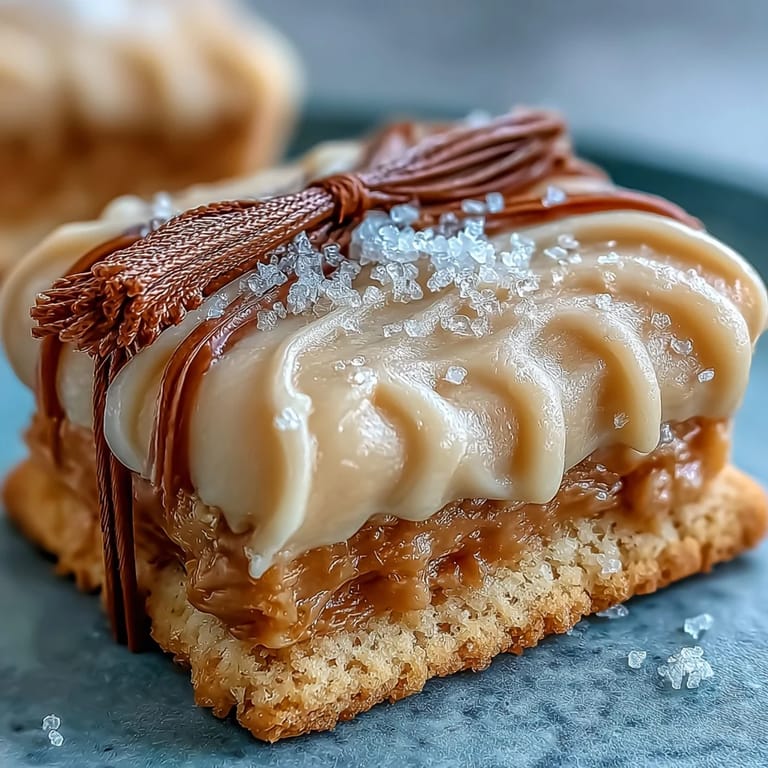
Save Watching a room full of graduates nibble away at their gold painted caps while exchanging proud, awkward grins turned these cookies into culinary mementos. They stood as cheerful symbols long after the last piece was eaten—and for a tiny moment, everyone was celebrated.
Gold Cookie Accents: Getting It Right
I used to tip too much luster dust into my mixing bowl, only to end up with thick, uneven stripes of gold. The secret, as it turns out, is to keep your paint thin and light—almost watery—and build up the shine with gentle strokes. Less really is more here, and a fine brush tip can help control every little tassel. Wipe the brush clean every few cookies for a sparkle that stays crisp. The reveal is always the best part: holding a tray that glints every time someone opens the box.
Piping Icing Like a Pro
The first time I attempted details, my hands shook and the icing seemed determined to pool into puddles. Using small piping bags with fine tips—and working slowly from the edges in—gave me the confidence to add loops, lines, even tiny numbers. A steady surface (and deep breaths) changed everything. Before long, my diplomas had real bows and the caps showed their little button details. Practice transforms even wobbly lines into show-worthy cookies in no time.
Make-Ahead Stress Relief
Baking and decorating dozens of cookies can feel like a marathon, especially if they’re for a big event. Mixing the dough and preparing icing a day ahead means less rush and far more fun the day of decorating. I freeze shaped dough on a tray, then bake straight from the freezer for minimal spreading and perfect edges. It keeps everything relaxed on the big day and guarantees extra time for adding creative flourishes.
- Let icing set at least an hour before stacking or packaging cookies.
- Store decorated cookies in airtight containers to preserve texture and shine.
- Don’t be afraid to improvise on cap decorations; little tweaks always earn a smile.
 Save
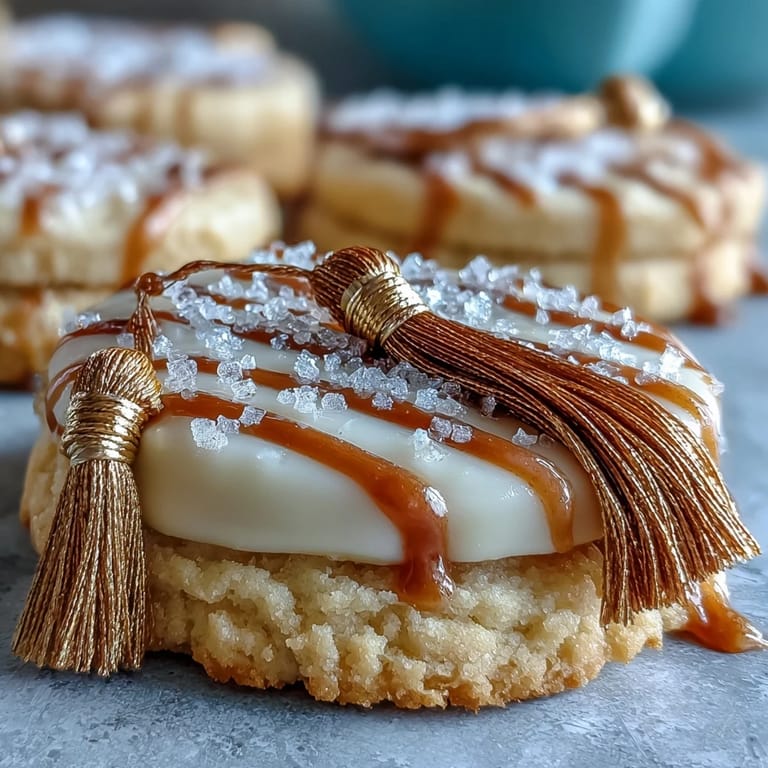
Save However you decorate them, these graduation cookies capture the fun of achievement and the spirit of celebration in every bite. Here’s to sweet memories—and even sweeter victories.
Recipe FAQ
- → How do I keep cookies from spreading in the oven?
Chill the dough for at least 45 minutes before rolling and use a well-chilled baking sheet. Roll to an even 1/4-inch thickness and avoid excess butter; if dough seems soft, chill again before baking.
- → What consistency should royal icing be for piping and flooding?
Use a thicker consistency (stiff peaks) for outlines and details, and thin part of the icing with a few drops of water to a flood consistency that levels smoothly. Test on a plate before decorating cookies.
- → Can I replace fresh egg whites in the icing?
Yes—use meringue powder mixed with water (follow package ratio) for stability and food-safety convenience. It produces a similar glossy finish and holds details well.
- → How do I get a smooth, shiny gold finish on tassels and ribbons?
Mix edible gold luster dust with a few drops of clear alcohol or lemon extract to form a paint, then apply with a fine food-safe brush once the base icing is dry. Multiple thin coats give the best sheen.
- → How long should decorated cookies dry before stacking or storing?
Let royal icing set at room temperature for at least 1–2 hours for light details and up to overnight for thicker areas. Ensure the surface is fully dry before stacking in layers with tissue or parchment.
- → Any tips for achieving sharp edges on cap and diploma shapes?
Use sharp metal cutters and chill rolled dough briefly after cutting to help shapes hold. Bake on parchment with minimal handling and remove to a wire rack to cool completely before decorating.