 Save
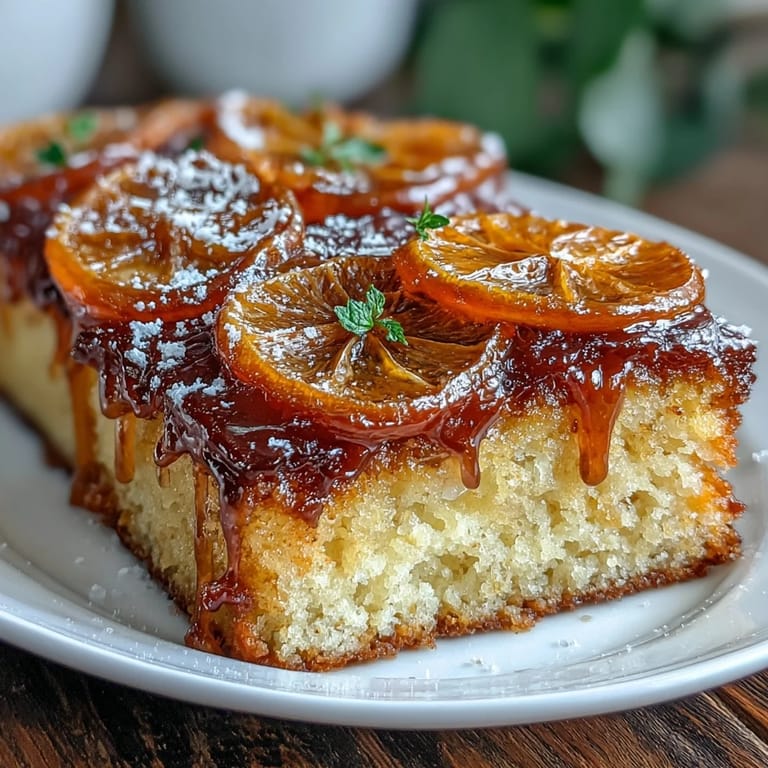
Save My kitchen smelled like candied citrus the afternoon my neighbor stopped by unannounced, and I found myself explaining why orange slices were simmering on the stove like they were precious gems. She stayed for coffee, and by the time the almond cake came out of the oven with those glossy candied oranges glistening on top, she was already asking for the recipe. That's when I realized this wasn't just another dessert—it was the kind of cake that makes people linger at your table.
I made this cake for my sister's book club, nervous that a gluten-free dessert might feel like a consolation prize. Instead, someone asked if I'd catered it, and another guest spent ten minutes asking about the candied oranges alone. That's when I stopped apologizing for what the cake wasn't and started celebrating what it actually was: something genuinely delicious that happened to skip the flour.
Ingredients
- Candied Oranges (2 medium, thinly sliced): These become your cake's crown jewels, so choose oranges with thin, unblemished skin.
- Granulated Sugar (1 cup for candying, 1 cup for batter): Don't skimp here—quality sugar dissolves cleanly and caramelizes beautifully.
- Water (1 cup for syrup): Keep the reserved syrup; it's liquid gold for brushing the finished cake.
- Almond Flour (2 cups, finely ground): This is your flour replacement—make sure it's truly finely ground, not coarse meal, or the texture suffers.
- Eggs (4 large): Room temperature eggs incorporate more smoothly and create a lighter crumb.
- Extra Virgin Olive Oil or Melted Unsalted Butter (1/2 cup): Olive oil keeps it dairy-free and adds a subtle Mediterranean warmth; butter creates richness if you prefer.
- Vanilla Extract (1 tsp): A small anchor that lets the citrus and almond sing without competing.
- Orange Zest (from 1 orange): Fresh zest matters tremendously—use a microplane and avoid the bitter white pith.
- Salt (1/2 tsp): Essential for brightening flavors and balancing sweetness.
- Baking Powder (1 tsp, gluten-free certified): Double-check the label; this is your only leavening agent.
- Sliced Almonds (2 tbsp, optional garnish): These add texture and nod to the almond flour's starring role.
- Powdered Sugar (for dusting): A final whisper of sweetness and visual polish.
Tired of Takeout? 🥡
Get 10 meals you can make faster than delivery arrives. Seriously.
One email. No spam. Unsubscribe anytime.
Instructions
- Set your stage:
- Preheat the oven to 350°F (175°C) and get your 9-inch springform pan ready with parchment paper—this prevents sticking and makes unmolding so much easier.
- Candy those oranges:
- In a wide saucepan, combine 1 cup sugar and 1 cup water, bringing it to a gentle simmer over medium heat. Lay orange slices flat in a single layer and let them simmer for 15 to 20 minutes, turning occasionally, until they turn translucent and the flesh softens. This transforms ordinary orange into something jewel-like—watch the color deepen gradually, it's hypnotic.
- Cool and arrange:
- Transfer those glossy slices to a wire rack to cool completely. Pour the leftover syrup into a small bowl and set it aside—you'll brush this on the finished cake. Once cooled, arrange the candied oranges in a single layer on the bottom of your prepared pan, overlapping them slightly for a beautiful pattern.
- Build the batter:
- In a large mixing bowl, whisk together 4 eggs and 1 cup sugar, whisking for about 2 minutes until the mixture becomes pale and slightly thickened—this whisking incorporates air that gives the cake its structure. Gently whisk in 1/2 cup olive oil or melted butter, 1 tsp vanilla extract, your orange zest, and 1/2 tsp salt until everything is silky smooth.
- Fold in the flour blend:
- Add 2 cups almond flour and 1 tsp baking powder to the wet mixture, then fold gently with a spatula using slow, deliberate motions. Stop folding when you no longer see streaks of dry flour—overmixing is the enemy of tender crumb in almond cakes.
- Pour and bake:
- Carefully pour the batter over your arranged orange slices, smoothing the top gently so it's level. Bake for 45 to 50 minutes until the cake is golden brown and a toothpick inserted in the center comes out clean or with just a few moist crumbs.
- Cool and invert:
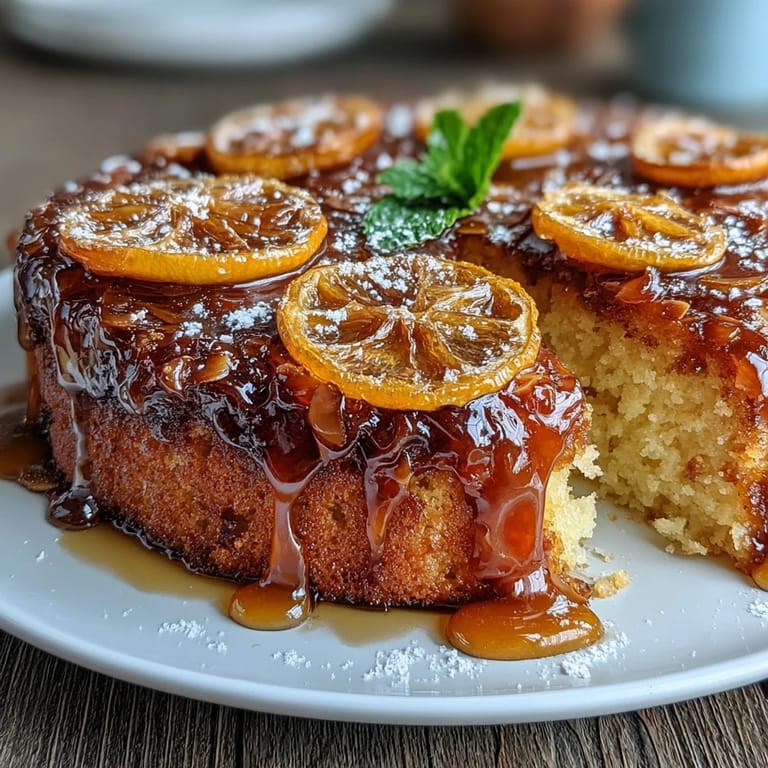
- Let the cake rest in the pan for 15 minutes—this allows the structure to set without cracking when you flip it. Run a thin knife around the edges, release the springform, and invert onto a serving plate so the beautiful candied oranges end up on top, exactly where they belong.
- Finish with shine:
- Brush the warm cake with reserved orange syrup for a glossy finish and extra citrus flavor. If you're garnishing, scatter the sliced almonds over the top and dust with powdered sugar while the syrup is still slightly wet so it adheres beautifully.
 Save
Save My mother tasted this cake and immediately asked me to make it for her book group, then texted me photos of the empty plate with a simple heart emoji. That's when I understood that food becomes memory when it arrives at someone's table during the exact moment they needed something beautiful.
Why Almond Flour Works Here
Almond flour isn't just a gluten-free swap—it's a genuine ingredient that brings natural moisture, delicate nuttiness, and structure to this cake. Unlike some gluten-free flours that can taste gritty or bland, ground almonds add protein and fat that create a tender crumb and rich flavor. The result feels less like a dietary accommodation and more like a deliberate Mediterranean choice that happens to be naturally grain-free.
The Magic of Candied Oranges
Candying your own oranges takes patience but rewards you with slices that taste bright and sophisticated, nothing like the dyed versions in specialty shops. The sugar syrup concentrates the natural citrus oils, creating a topping that's bitter and sweet at once, with a silky texture that contrasts beautifully against the tender cake below. When you flip the cake onto the plate and see those glossy slices catching the light, you'll understand why this step is worth every minute.
Storage and Serving Secrets
This cake actually improves as it sits, becoming more moist and allowing the flavors to deepen and marry together. Store it covered at room temperature for up to three days, and if you're serving it later, a light brushing of additional orange syrup before serving keeps it glowing. A dollop of whipped cream or Greek yogurt adds coolness and richness without overwhelming the delicate citrus balance.
- The cake dries out if refrigerated, so keep it at room temperature in a covered container.
- Serve slices at room temperature or slightly warm—cold dulls the flavors considerably.
- If you have leftover candied oranges, they're wonderful chopped into yogurt or scattered over vanilla ice cream.
 Save
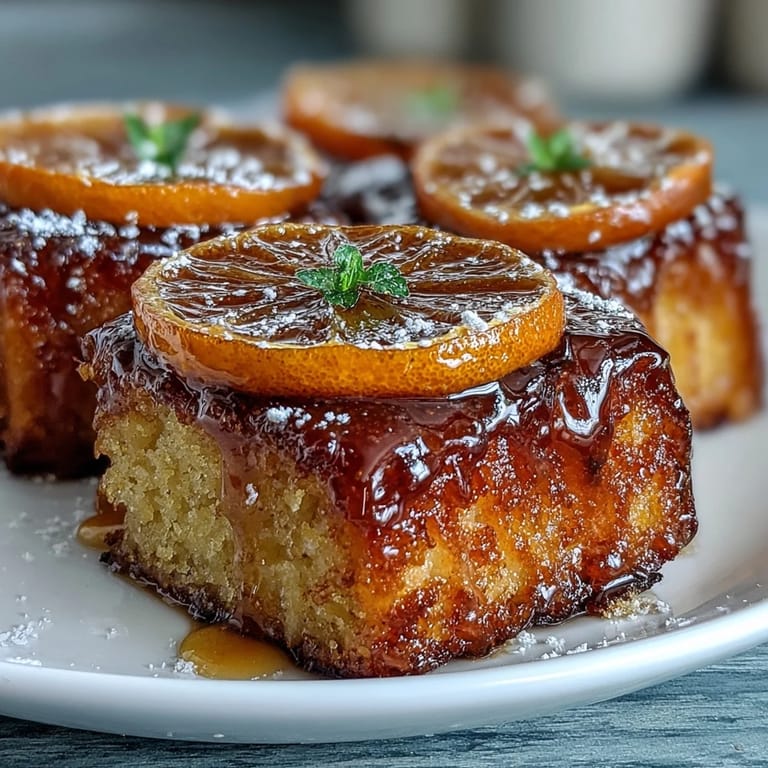
Save This cake has a way of becoming the one people ask for again, the one that transforms a simple afternoon into something worth remembering. Make it, share it, watch how it changes a moment for someone.
Recipe FAQ
- → How are the candied oranges prepared?
Orange slices simmer gently in a sugar and water mixture until translucent, then cooled on a wire rack to achieve softness and shine before baking.
- → Can olive oil be substituted for butter?
Yes, extra virgin olive oil can replace melted butter, providing a dairy-free alternative without compromising moistness or flavor.
- → What makes this cake naturally gluten-free?
The use of almond flour combined with certified gluten-free baking powder ensures a moist texture suitable for gluten-free diets.
- → How long should the cake be baked?
Bake at 350°F (175°C) for 45–50 minutes until the top is golden and a toothpick inserted in the center comes out clean.
- → How can leftover cake be stored?
Store covered at room temperature for up to three days to maintain moisture and freshness.
- → Are there variations for extra citrus flavor?
Substituting one orange with a lemon in the candied topping adds a brighter, tangier citrus note to the finished cake.